Hunter-Gatherer Societies of Early North America

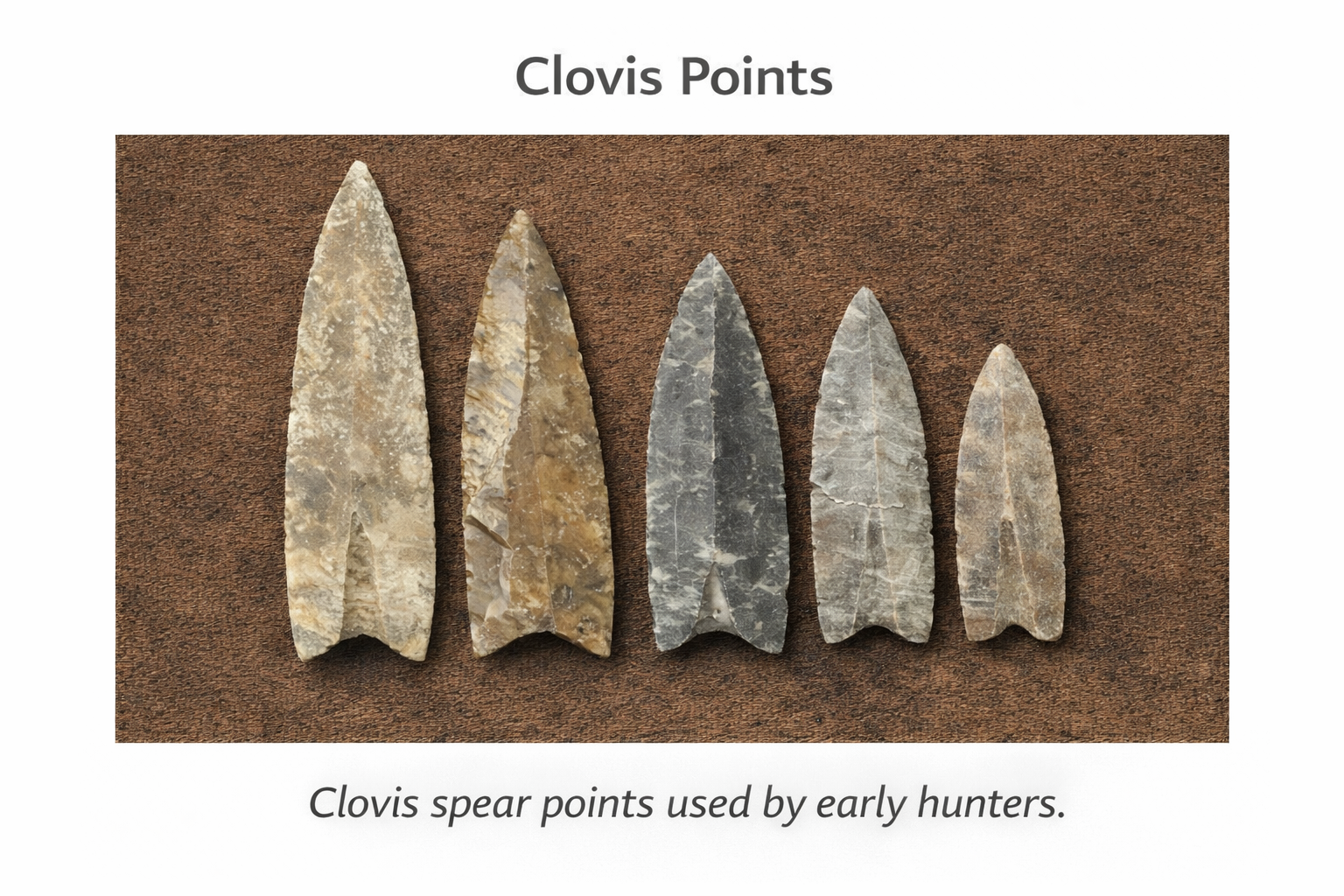
Long before cities, farms, or written languages appeared in North America, the continent was home to small communities of people who lived by hunting animals and gathering wild plants. These early inhabitants—often called hunter-gatherers—developed ways of life that were closely tied to the rhythms of the natural world. Their survival depended on understanding the landscape, … Read more

The Agricultural Revolution in North America

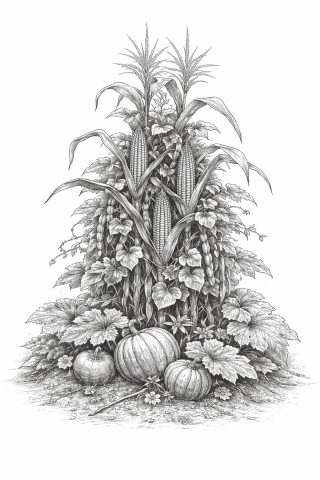
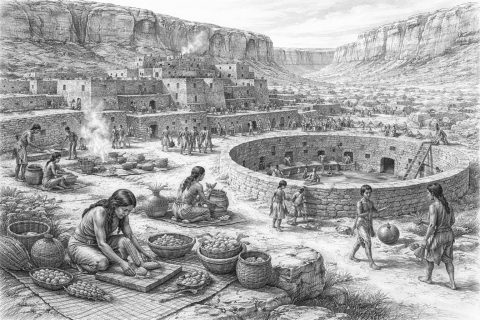
3 Sisters of maize, beans, and squash

Domestication, diffusion, and the transformation of Indigenous life For most of human history, people survived by hunting animals and gathering wild plants. This was true in North America for thousands of years after the first humans arrived near the end of the last Ice Age. Early peoples followed migrating animals, gathered seasonal plants, and moved … Read more

The Geography of Indigenous North America

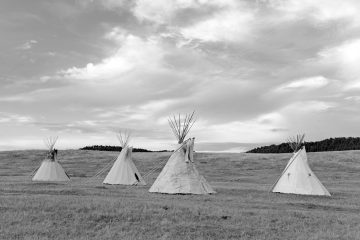
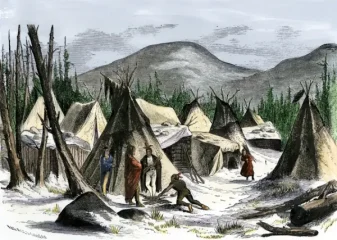
Tipi life

Before Europeans crossed the Atlantic and began mapping the continent according to their own understanding, North America was already a richly known landscape. For thousands of years, Indigenous peoples had explored its rivers, mountains, plains, forests, deserts, and coastlines. They knew where the salmon runs came each year, where buffalo herds migrated across the grasslands, … Read more

Religion and Worldviews: Indigenous Peoples of North America

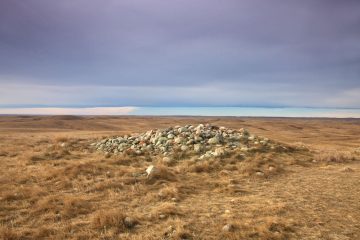
Mound representative of indigenous religion and worldviews

When people today think about religion, they often imagine churches, temples, or written sacred books. But for many Indigenous peoples of North America before 1500, religion was not something separate from everyday life. Instead, spiritual beliefs were deeply woven into everything people did—how they farmed, hunted, raised families, and understood the world around them. For … Read more

Peoples of the Pacific Coast

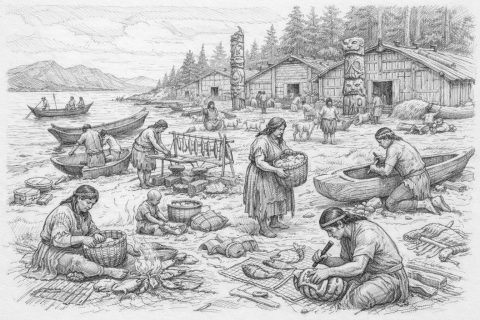
Daily Life of People in a village of the Pacific coast of North America

If you traveled along the Pacific coast of North America long before European explorers arrived, you would have encountered a very different landscape from most other parts of the continent. Instead of deserts or wide grasslands, this region was covered with dense forests, rushing rivers, and rugged coastlines. Giant cedar trees grew hundreds of feet … Read more

Colonial History of New Hampshire (1623–1775): From Fishing Settlements to Revolution

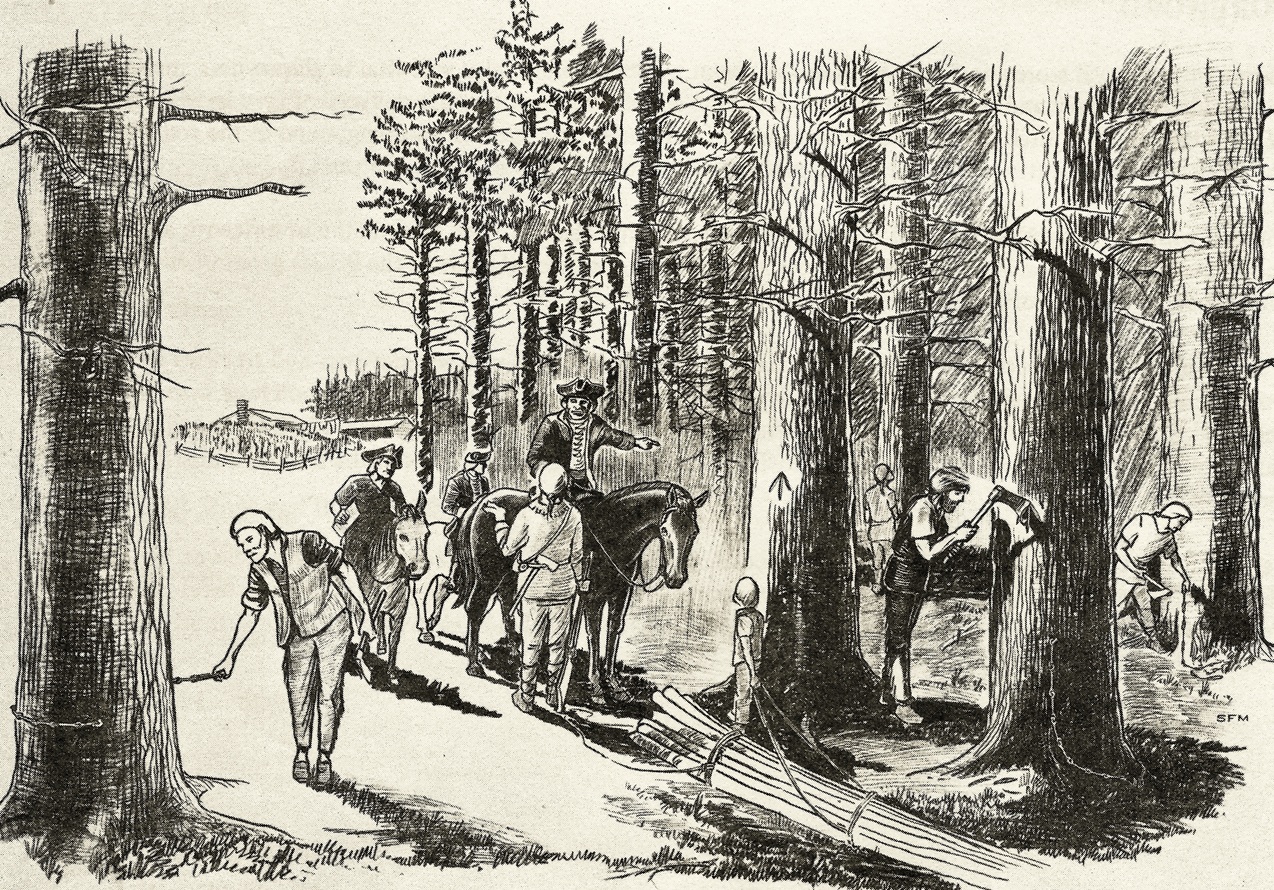
Colonial American timber industry

The colonial history of New Hampshire is often overshadowed by the larger and more famous colonies of Massachusetts, Virginia, and Pennsylvania. Yet from its earliest settlements in the 1620s through the eve of the American Revolution, New Hampshire developed a distinctive identity shaped by rugged geography, contested political authority, and a fiercely independent population. Between … Read more

Rhode Island in the Colonial Era (1636–1775): A Haven for Liberty

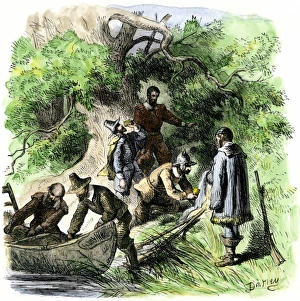
Founding of Providence, Rhode Island

The colonial history of Rhode Island is unlike that of any other English colony in North America. Founded in 1636 by religious dissenter Roger Williams, the colony emerged from conflict, exile, and a bold experiment in freedom. While most colonies in New England enforced strict religious conformity, Rhode Island became a sanctuary for dissenters and … Read more