Tension Between Colonies and Great Britain

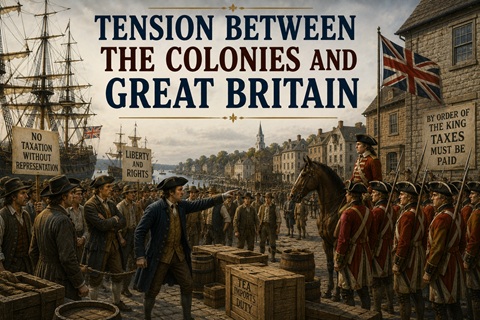
British soldiers patrolling the streets of colonial Boston

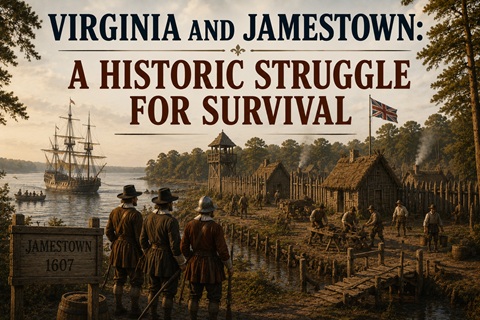
In the early years of American colonization, the relationship between the colonies and Great Britain was mostly peaceful. The colonies were part of the British Empire, and many colonists were proud to be English. They spoke the same language, followed similar laws, and traded goods across the Atlantic Ocean. However, over time, this relationship began … Read more

Colonial Government and Self-Rule

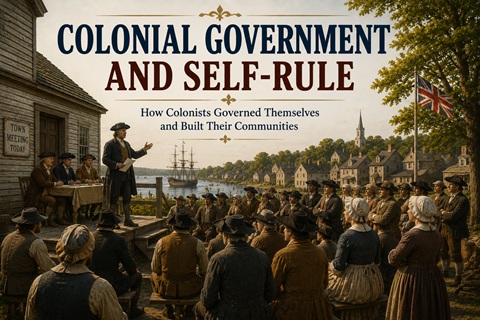
Montage of colonial assembly halls and leaders

When we think about government today, we often picture elections, laws, and leaders chosen by the people. But where did these ideas come from? In colonial America, long before the United States became an independent nation, colonists were already practicing forms of self-government. They were learning how to make decisions, create laws, and solve problems … Read more

Slavery in Colonial America

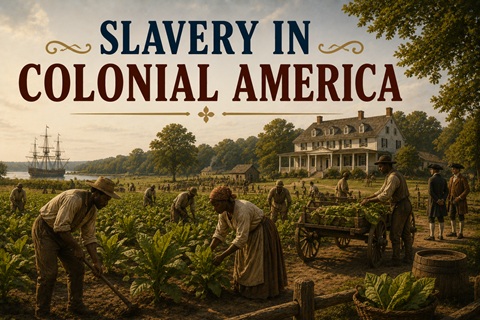
Slave market in Virginia

When we study colonial America, we learn about farming, trade, cities, and the growth of new settlements. But there is also a very important and difficult part of this history that must be understood: slavery. Slavery was a system in which people were treated as property and forced to work without pay or freedom. In … Read more

What Was Daily Life Like in the Colonies?

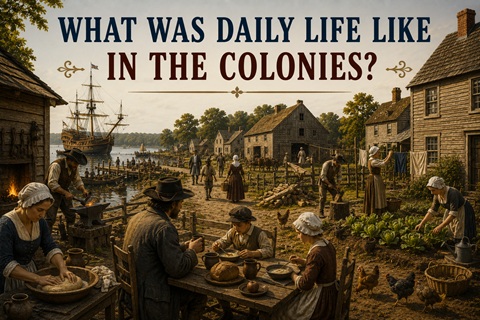
Colonial Rhode Island village by waterfront

When we study colonial America, it is easy to focus on big events—founding settlements, signing laws, or growing important crops. But what was everyday life actually like for the people who lived in the colonies? What did they eat? Where did they live? What did children do all day? Daily life in the American colonies … Read more

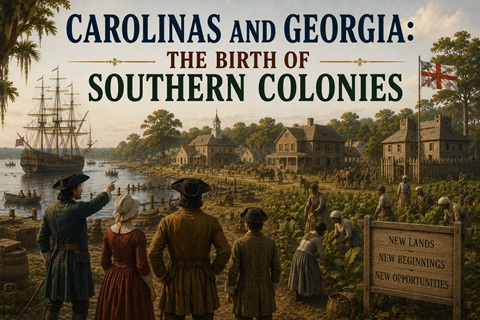
Carolinas and Georgia: The Birth of Southern Colonies

Map depicting the Southern Colonies

In the 1600s and 1700s, England continued to expand its colonies in North America. South of Virginia, new colonies were established that would become known as the Southern Colonies. Among these were North Carolina, South Carolina, and Georgia. Each of these colonies developed in its own way, but they shared important features, especially the growth … Read more

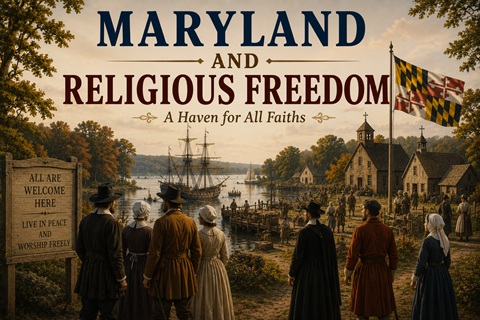
Maryland and Religious Freedom

Depiction of colonial life in Annapolis, Maryland

In the 1600s, people in Europe did not always have the freedom to practice their religion as they wished. Governments often supported one official church, and people who believed differently could face unfair treatment, fines, or even imprisonment. Because of this, many people began to look across the Atlantic Ocean to the American colonies as … Read more

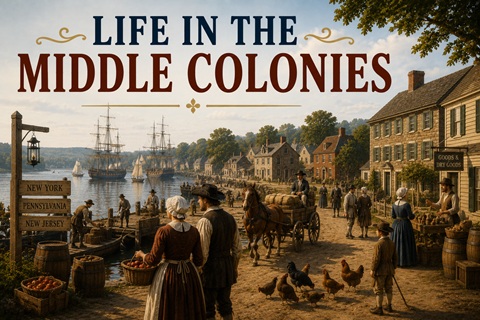
Life in the Middle Colonies

Pennsylvania farmer

When people think about early American history, they often imagine small farms, busy ports, and groups of people trying to build new lives in an unfamiliar land. Nowhere was this more true than in the Middle Colonies. Located between the New England Colonies to the north and the Southern Colonies to the south, the Middle … Read more

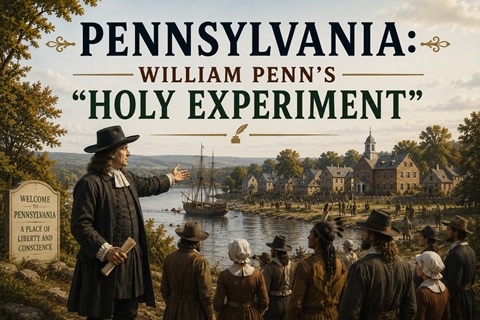
Pennsylvania: William Penn’s “Holy Experiment”

Artist's depiction of life in colonial Philadelphia

William Penn, the Quakers, and a Different Kind of Colony In the 1600s, most colonies in North America were shaped by strict rules, powerful leaders, and limited freedom for those who disagreed. But one colony was different. Pennsylvania, founded by William Penn, was created as a place where people could live peacefully, practice their religion … Read more

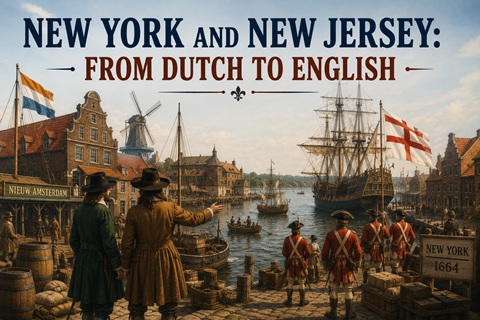
New York and New Jersey: From Dutch to English

Artist's depiction of life in colonial New Amsterdam

English Takeover of New Netherland, Cultural Diversity, and Trade Advantages When we think about the early American colonies, we often picture English settlers building towns along the Atlantic coast. But not all of these colonies began as English. In fact, one of the most important regions in early American history—what we now know as New … Read more