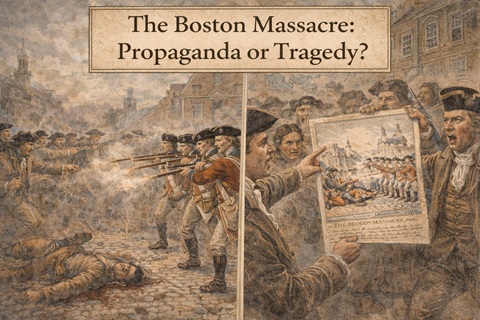
The Boston Massacre: Propaganda or Tragedy?
Featured image for post

On a cold night in March 1770, something happened in the city of Boston that would change the course of American history. A crowd gathered. Angry words were shouted. Snowballs—and maybe more—were thrown. Then suddenly, British soldiers fired their weapons. When the smoke cleared, five colonists were dead. This event became known as the Boston … Read more
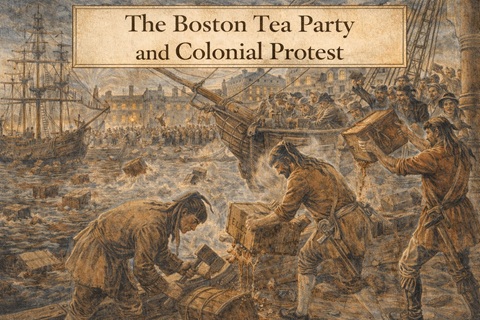
The Boston Tea Party and Colonial Protest

The Boston Tea Party and colonial protest

Imagine you are living in Boston in 1773. Ships sit quietly in the harbor, their cargo holds filled with tea. But this is not just any tea—it represents a problem, a protest, and a growing conflict between the American colonies and Great Britain. Within days, that tea would be dumped into the cold waters of … Read more

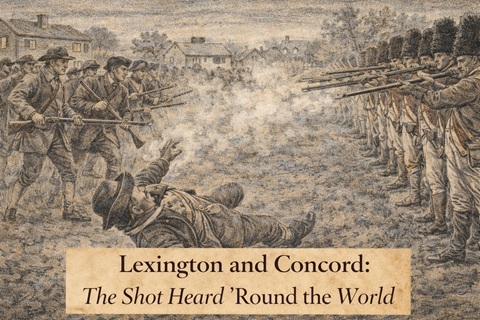
Lexington and Concord: The Shot Heard ’Round the World

Lexington and Concord: The Shot Heard 'Round the World

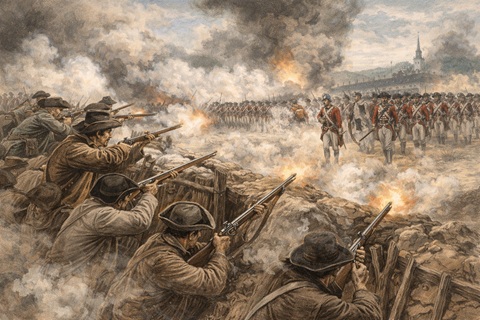
It was still dark on the morning of April 19, 1775. A cool spring breeze moved quietly through the trees, and most people in the Massachusetts countryside were still asleep. But something important—something that would change history—was already in motion. British soldiers were marching through the night. They had a mission: to reach the towns … Read more

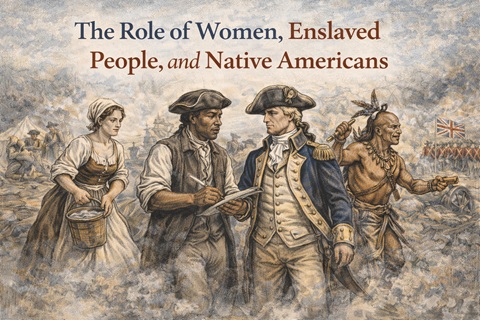
The Role of Women, Enslaved People, and Native Americans

The role of women, enslaved people, and Native Americans during the American Revolution

The American Revolution is often told as the story of famous leaders—men like George Washington, Thomas Jefferson, and Benjamin Franklin. We picture soldiers in uniform, marching into battle, and dramatic moments like the signing of the Declaration of Independence. But the Revolution was much bigger than that. It involved thousands of ordinary people whose names … Read more

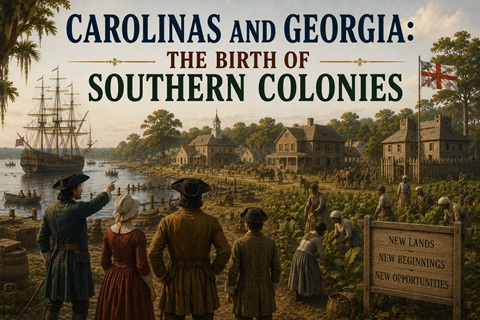
Carolinas and Georgia: The Birth of Southern Colonies

Overview The colonies of North Carolina, South Carolina, and Georgia were the last of the thirteen English colonies to be established. Located in the southern part of North America, these colonies developed economies based on agriculture and trade. Their warm climate and fertile land allowed settlers to grow valuable cash crops, while their coastal locations … Read more

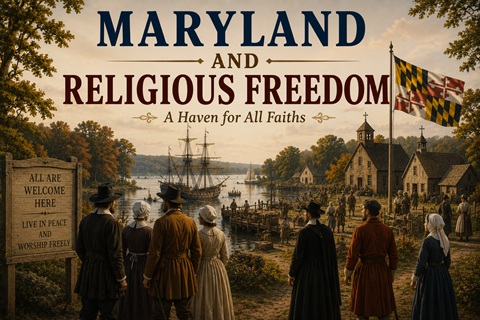
Maryland and Religious Freedom

Overview The colony of Maryland was founded in 1634 as a refuge for English Catholics who faced discrimination in England. Established by Cecil Calvert, also known as Lord Baltimore, Maryland offered an opportunity for Catholics to practice their faith while also creating a profitable colony. Over time, Maryland became known for its efforts to promote … Read more

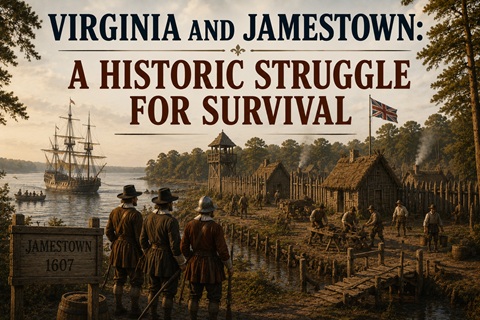
Virginia and Jamestown: A Historic Struggle for Survival

Overview In 1607, English settlers established Jamestown in Virginia, creating the first permanent English settlement in North America. The colony was founded by the Virginia Company, which hoped to make a profit from resources found in the New World. However, the settlers soon faced disease, hunger, conflicts, and difficult environmental conditions. Despite these challenges, Jamestown … Read more

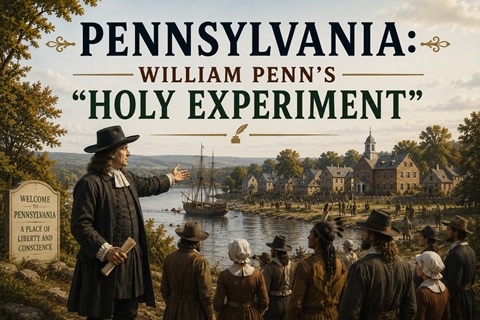
Pennsylvania: William Penn’s “Holy Experiment”

Overview In 1681, King Charles II granted a large tract of land in North America to William Penn, a member of a religious group known as the Quakers. Penn envisioned Pennsylvania as a place where people could live in peace, practice their religion freely, and govern themselves fairly. He called his colony a “Holy Experiment” … Read more

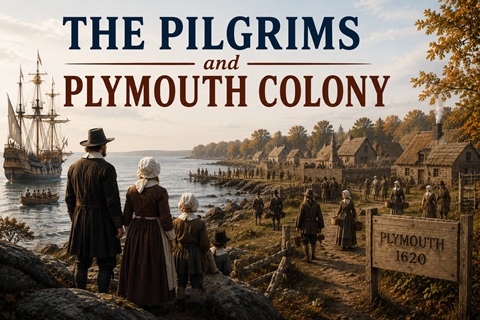
The Pilgrims and Plymouth Colony

Overview The story of the Pilgrims and Plymouth Colony is one of the most famous chapters in early American history. Seeking the freedom to practice their religion, a group of English settlers known as the Pilgrims sailed across the Atlantic Ocean aboard the Mayflower in 1620. After a difficult journey, they established Plymouth Colony in … Read more