Overview
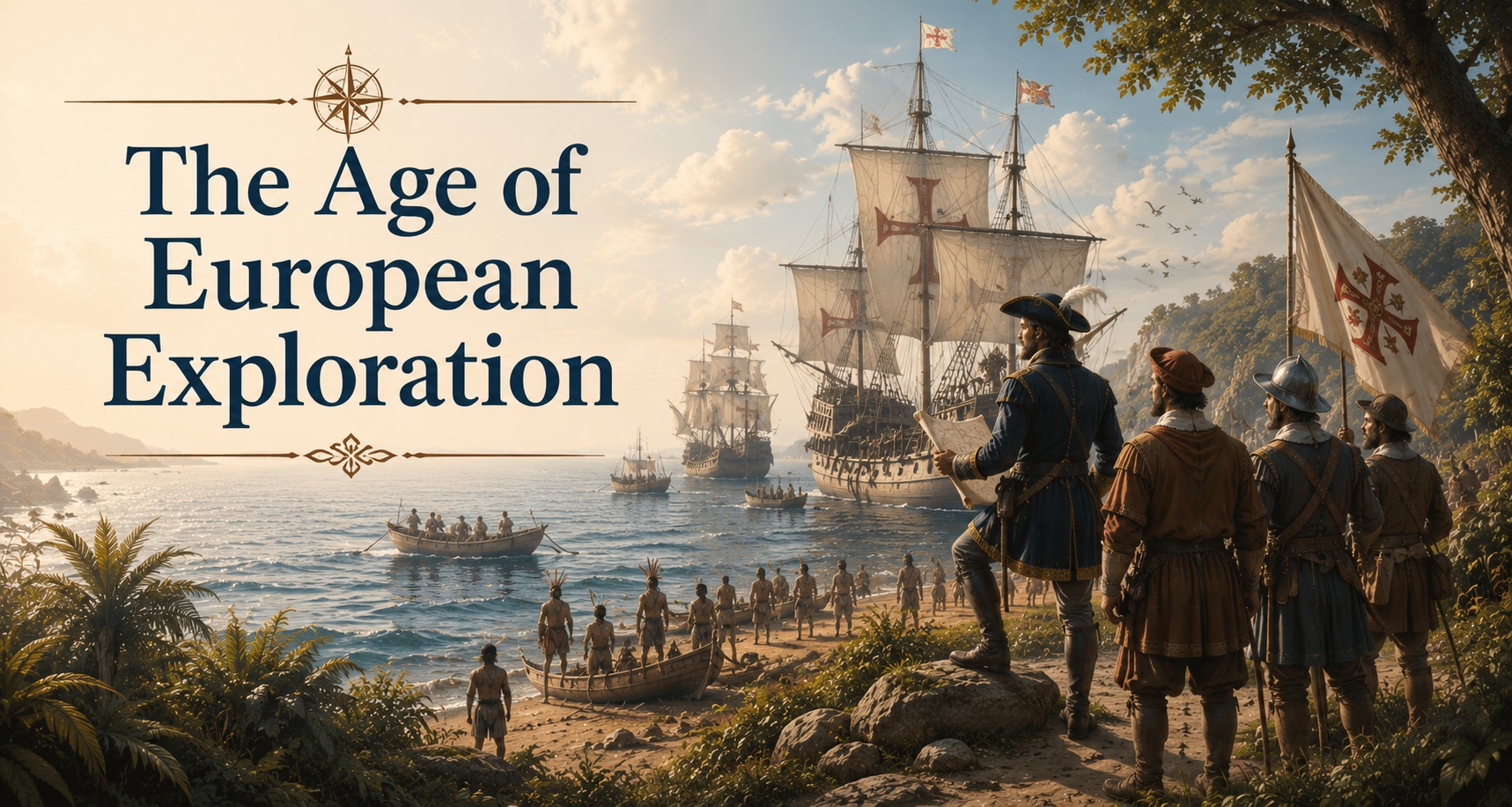
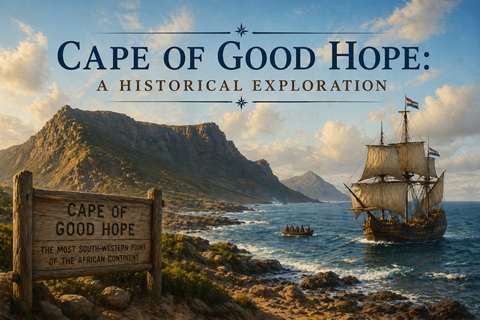
Between the 1400s and early 1600s, European nations began a period of bold ocean travel. Historians refer to this as the Age of Exploration. Driven by a desire for new trade routes, wealth, and knowledge—and supported by advances in navigation and shipbuilding—explorers set out across the Atlantic Ocean and around Africa, connecting parts of the world that had long been separated.
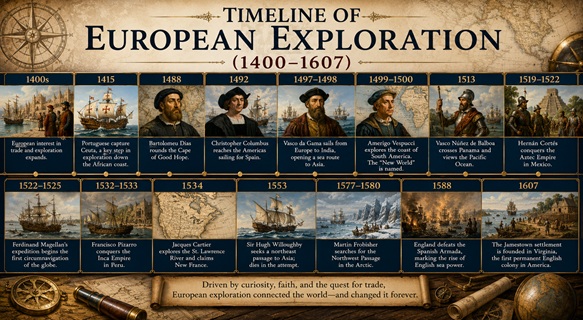
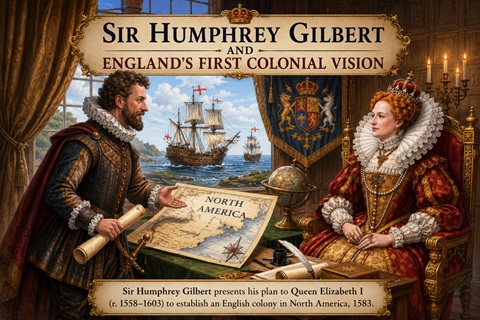
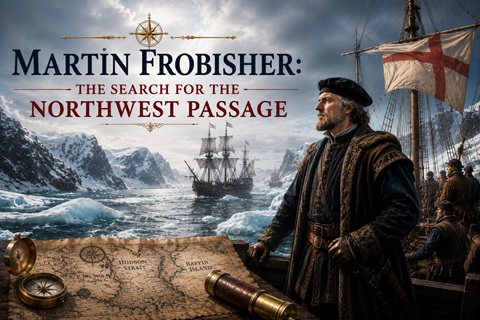
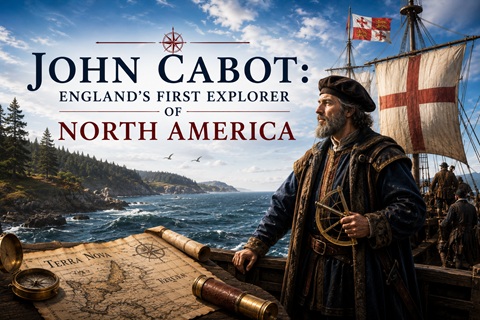
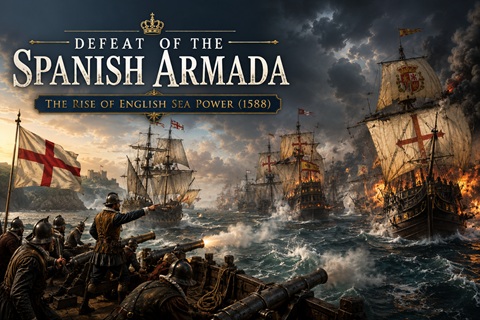
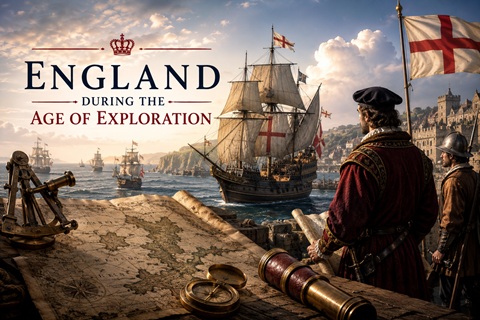
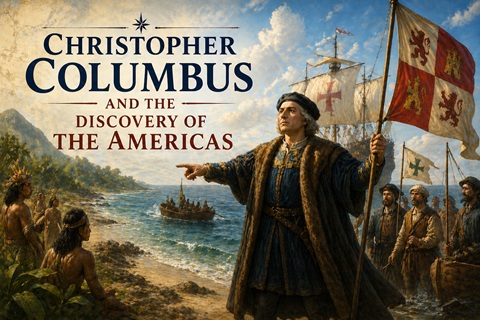
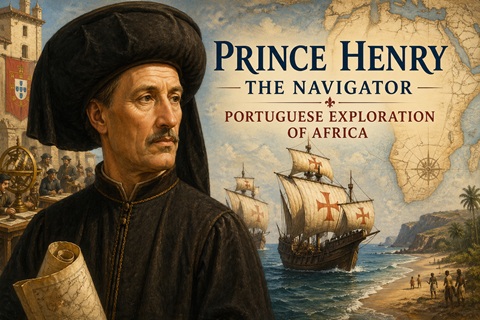
This era began with early pioneers like Prince Henry of Portugal. He helped launch systematic exploration along the coast of Africa. It expanded with voyages by Christopher Columbus. He reached the Americas in 1492. In addition, Vasco da Gama established a sea route to India. Over time, other nations—including England—entered the competition. England sent explorers like John Cabot to North America. Later, they attempted to establish colonies in North America.
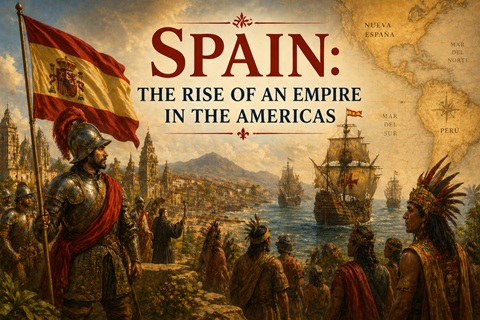
The Age of Exploration reshaped world history. It led to increased trade and the exchange of goods, ideas, and cultures between continents. At the same time, it brought conflict, conquest, and lasting consequences for Indigenous peoples of the Americas.
In this unit, we will explore the major figures, events, and motivations behind European exploration. We will also examine how this period set the stage for the eventual colonization of North America, including early English efforts such as Roanoke and Jamestown.
Resources
Images
- Unit 2 Image Gallery
Video
Document-Based Question
- Unit 2 DBQ
Hands-On Project
- Unit 2 Project
- Project Rubric
- Planning Sheets
Unit Test
- Version A
- Version B
- Answer Key
📘 Get A Free Unit Resource Pack
Save hours of prep time with our unit packs: ready-to-use lessons, activities, and assessments designed for middle school history.
25-30 Reproduceable Pages (including a DBQ!)