Overview
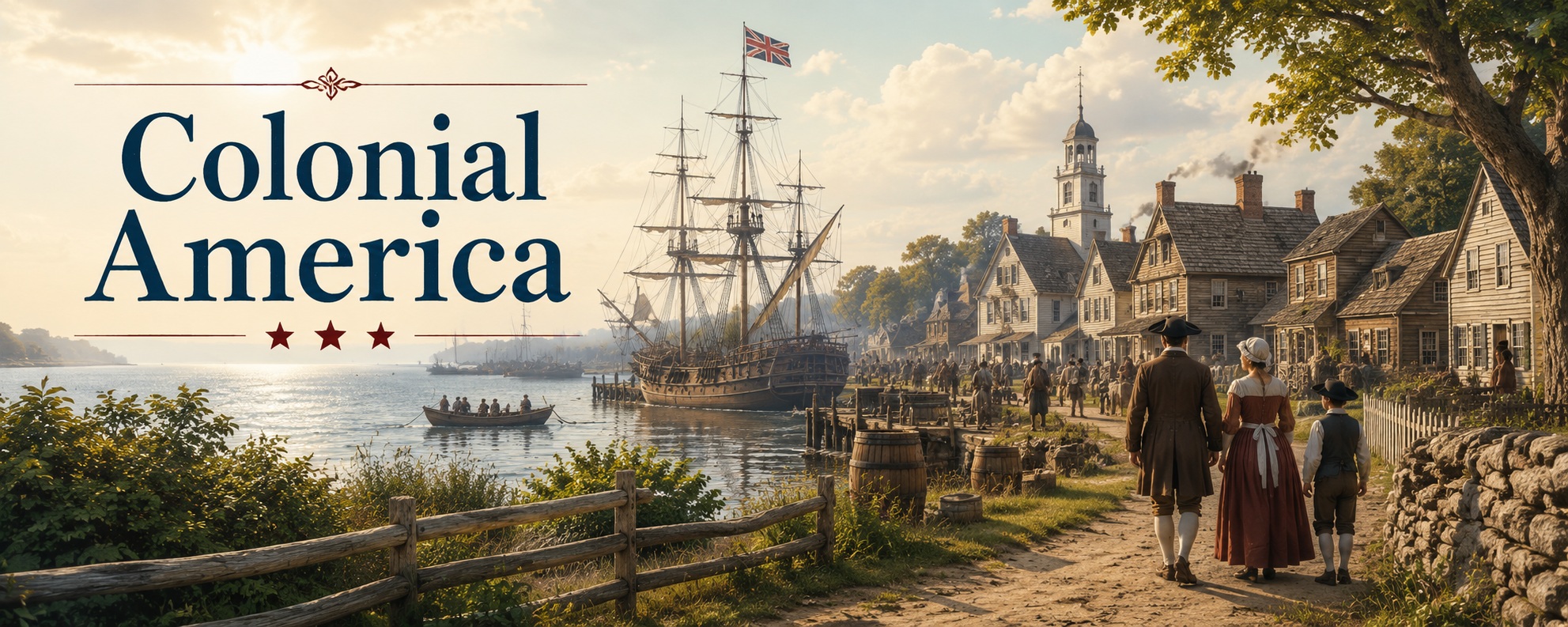
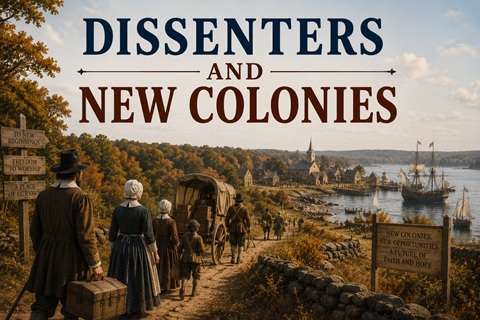
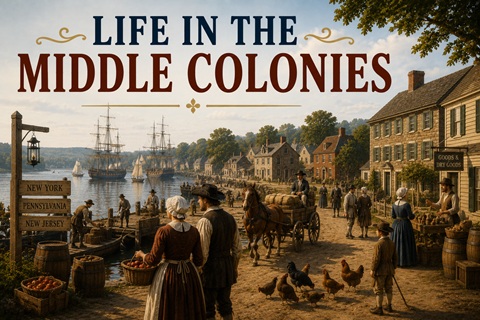
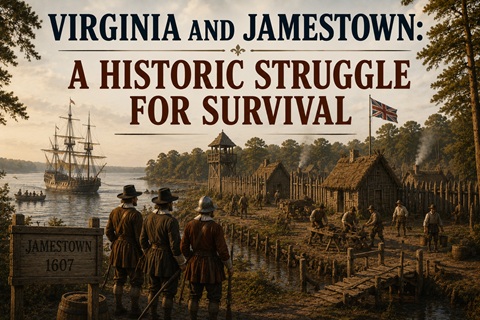
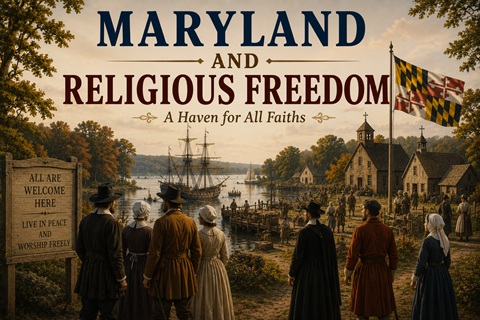
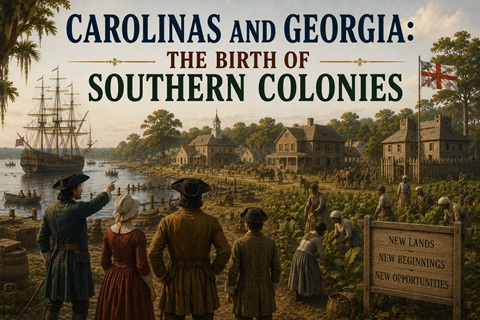
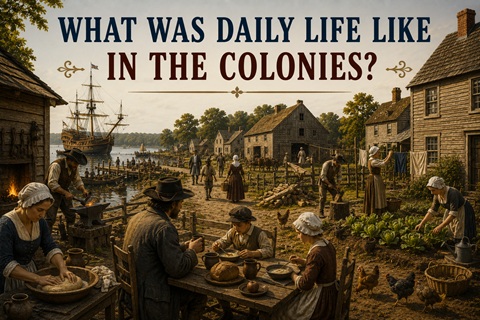
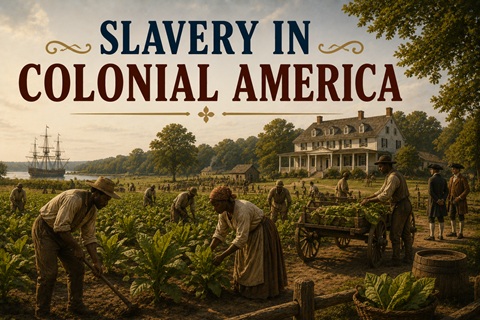
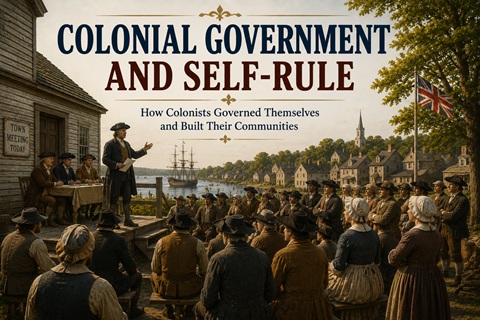
This unit introduces students to the development of colonial America from the early 1600s through the mid-1700s. Students will explore the founding of the thirteen colonies, regional differences, economic systems, and forms of self-government. Through primary sources, visuals, and hands-on activities, learners will examine how colonial experiences shaped emerging American identity and laid the groundwork for independence.





Resources
Images
- Unit 3 Image Gallery
Video
Document-Based Question
- Unit 3 DBQ
Hands-On Project
- Unit 3 Project
- Project Rubric
- Planning Sheets
Unit Test
- Version A
- Version B
- Answer Key
📘 Get A Free Unit Resource Pack
Save hours of prep time with our unit packs: ready-to-use lessons, activities, and assessments designed for middle school history.
25-30 Reproduceable Pages (including a DBQ!)