
When people today think about religion, they often imagine churches, temples, or written sacred books. But for many Indigenous peoples of North America before 1500, religion was not something separate from everyday life. Instead, spiritual beliefs were deeply woven into everything people did—how they farmed, hunted, raised families, and understood the world around them.
For Indigenous societies across North America, the land itself was sacred. Rivers, mountains, forests, animals, and even the weather were believed to be connected to powerful spiritual forces.

Although Native peoples across the continent spoke many different languages and had unique traditions, many of their spiritual ideas shared common themes. These beliefs helped shape their societies and guided their relationships with nature and with one another.
Understanding these worldviews is important because they reveal how Indigenous peoples saw their place in the universe long before European religions arrived in the Americas.
A Living Spiritual World
One of the most important ideas shared by many Indigenous cultures was the belief that the world was filled with spiritual power.
Animals, plants, rivers, mountains, and even the wind could possess spiritual energy. This did not mean that people worshiped nature itself, but rather that they believed nature was connected to unseen forces.
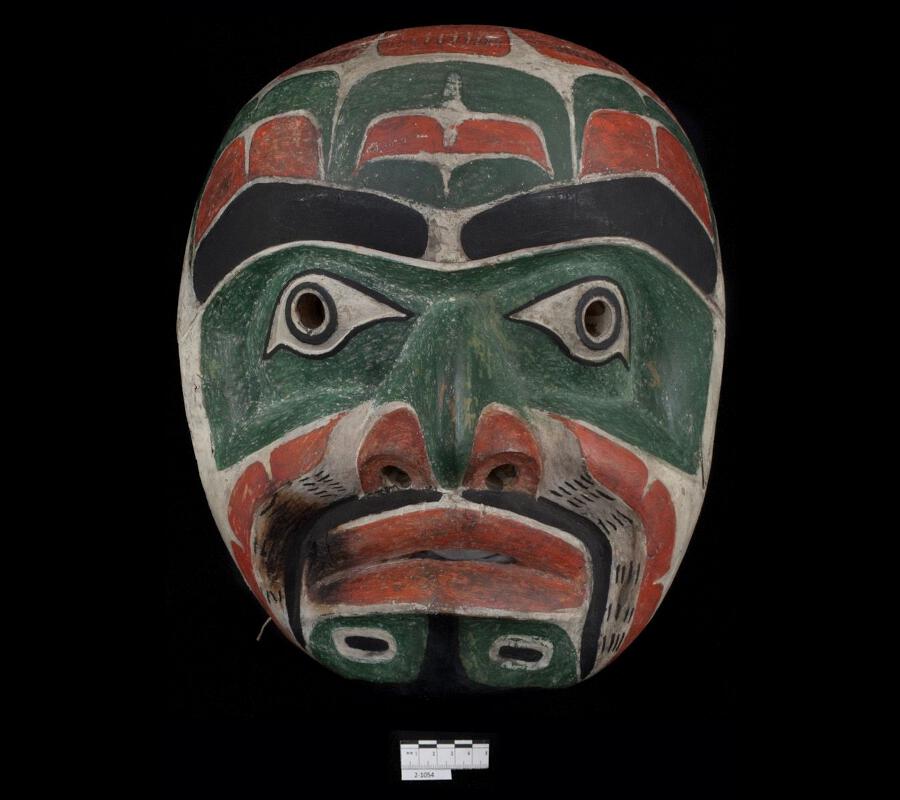
In many cultures, this spiritual power was sometimes called “medicine.”
Medicine did not only mean physical healing. It also referred to spiritual strength or sacred power that could influence events in the world.
Because the natural world was believed to contain spiritual power, Indigenous peoples often treated the environment with deep respect. Hunting, farming, and gathering food were not simply economic activities—they were also spiritual acts.
Respect for Animals
Animals played an important role in many Indigenous religions.
Hunters often believed that animals gave their lives so that humans could survive. For this reason, many tribes performed ceremonies or prayers to thank the spirit of the animal after a successful hunt.
Different animals often had symbolic meanings in tribal traditions. For example:
- The eagle was often associated with strength and spiritual vision.
- The bear symbolized power and healing.
- The wolf represented loyalty and cooperation.
- The buffalo was honored for sustaining Plains cultures.
Animal stories also appeared frequently in traditional storytelling. These stories helped explain natural events or teach lessons about how people should behave.
Creation Stories
Nearly every Indigenous culture in North America developed stories about how the world began. These stories are often called creation stories.
Creation stories were passed down through oral tradition, meaning they were told from generation to generation rather than written down.
Different tribes told different stories, but many shared similar themes.
Some stories described how the world emerged from water or darkness. Others told of powerful spirit beings who helped shape the land and create humans.
Among several Eastern Woodland tribes, one famous creation story tells of Sky Woman, who fell from the sky world and helped create the earth on the back of a giant turtle. Because of this story, North America is sometimes called “Turtle Island” in Indigenous traditions.
Creation stories helped explain where people came from and how humans were connected to the land and the spirit world.
Sacred Places
For many Indigenous peoples, certain places in nature were considered sacred.
These locations might include:
- Mountains
- Rivers
- Caves
- Springs
- Rock formations

Sacred places were often connected to tribal traditions, creation stories, or important historical events.
For example, among the Ancestral Pueblo peoples of the Southwest, ceremonies often took place in kivas, circular rooms built partly underground. Kivas symbolized the place where the first people emerged into the world.

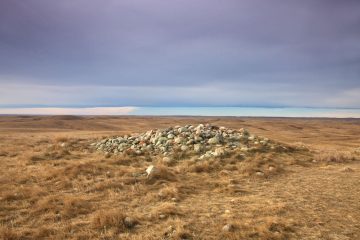
On the Great Plains, some tribes built medicine wheels—large circular arrangements of stones that may have been used for ceremonies and astronomical observations.
These sacred spaces served as reminders of the deep spiritual connections between people and the land.
Ceremonies and Rituals
Ceremonies were an important part of life in many Indigenous societies.
These gatherings often involved music, dancing, storytelling, and special rituals designed to maintain harmony between humans and the spirit world.

Some ceremonies celebrated important events such as:
- The planting or harvest of crops
- Successful hunts
- Seasonal changes
- Births and marriages
- The honoring of ancestors
Among Pacific Northwest peoples, large gatherings known as potlatches celebrated important social and spiritual events.
In Plains cultures, ceremonies sometimes honored the buffalo or marked important transitions in a person’s life.
Through ceremonies, communities strengthened their cultural traditions and passed spiritual knowledge to younger generations.
Spiritual Leaders and Healers
Many Indigenous communities had individuals who served as spiritual leaders or healers.
These individuals were sometimes called shamans, medicine men, or medicine women, although different tribes had their own names for these roles.
Spiritual leaders were believed to have special knowledge or abilities that allowed them to communicate with the spirit world.
Their responsibilities often included:
- Conducting religious ceremonies
- Healing illnesses using herbs and spiritual rituals
- Interpreting dreams or visions
- Offering guidance to the community
Healing practices often combined knowledge of medicinal plants with spiritual traditions.
Many Indigenous cultures developed sophisticated knowledge of herbal medicine that is still studied today.
Vision Quests
In some Indigenous cultures, especially among Plains tribes, young people sometimes took part in a spiritual experience known as a vision quest.
During a vision quest, a person would spend time alone in nature, often fasting and praying.
The goal was to receive guidance or insight from the spirit world. This might come in the form of a dream, vision, or powerful feeling.
The vision could help guide the person’s future life or reveal their spiritual responsibilities.
Vision quests were often seen as important moments in a person’s journey toward adulthood.
Storytelling and Oral Traditions
Because most Indigenous cultures did not use written language before European contact, knowledge was passed down through oral traditions.
Storytelling was one of the most important ways of preserving spiritual teachings and cultural history.
Stories were often told during gatherings, especially during winter months when communities spent more time indoors.
These stories might include:
- Creation myths
- Tales about heroic ancestors
- Animal stories that taught moral lessons
- Accounts of important historical events
Storytelling helped strengthen community bonds and ensured that cultural traditions were preserved for future generations.
Balance and Harmony
A key idea found in many Indigenous worldviews is the importance of balance.
People believed that harmony should exist between:
- Humans and nature
- Individuals and their communities
- The physical world and the spiritual world
When balance was disrupted—for example, through illness, conflict, or natural disasters—ceremonies or rituals might be performed to restore harmony.
This idea of balance shaped how many Indigenous societies approached the environment.
Rather than viewing nature as something to conquer or control, many Indigenous cultures saw humans as one part of a larger living system.
Diversity of Beliefs
Although many Indigenous cultures shared similar spiritual themes, it is important to remember that there was no single Native American religion.
North America was home to hundreds of tribes, each with its own traditions, stories, and ceremonies.
The spiritual beliefs of the Pacific Northwest were different from those of the Plains, the Southwest, or the Eastern Woodlands.
Yet across these diverse cultures, many people shared a deep respect for the natural world and a belief that spiritual forces connected all living things.
Indigenous Worldviews on the Eve of European Contact
By the time Europeans began exploring the Americas in the late 1400s, Indigenous peoples across North America had developed rich spiritual traditions that had evolved over thousands of years.
These belief systems guided daily life, shaped social values, and strengthened community bonds.
Spiritual ceremonies, sacred stories, and connections to the land were central parts of Indigenous identity.
Although European colonization would later bring major disruptions to many of these traditions, Indigenous communities throughout North America continue to preserve their spiritual heritage today.
The Enduring Significance of Indigenous Spiritual Traditions
The religions and worldviews of Indigenous peoples reveal an understanding of nature that continues to inspire many people today.
These traditions emphasize respect for the environment, gratitude for the gifts of the earth, and responsibility toward future generations.
By learning about Indigenous spiritual beliefs, we gain a deeper appreciation for the cultures that flourished in North America long before European contact.
Their stories, ceremonies, and teachings remain an important part of the continent’s cultural heritage.