
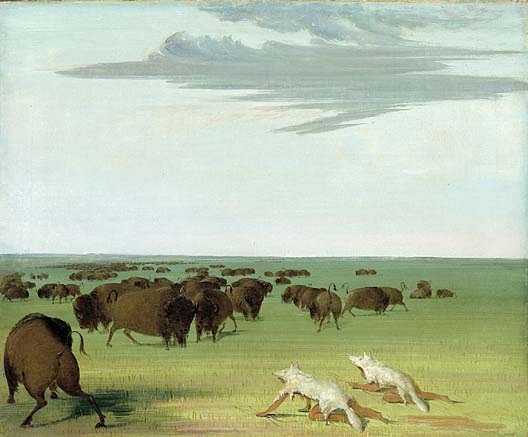
Stretching across the center of North America is a vast region of open grassland known as the Great Plains. This enormous landscape begins in present-day Texas and extends northward through Oklahoma, Kansas, Nebraska, and the Dakotas, reaching into the Canadian prairies.
At first glance, the Plains might seem empty. Trees are scarce in many places, and the land appears to roll endlessly toward the horizon. Yet for thousands of years before European contact, the Great Plains supported a wide variety of Indigenous societies.

These peoples developed ways of life that were closely connected to the natural environment—especially to one of the most important animals in North American history: the American bison, often called the buffalo.
Long before horses were introduced by Europeans, Indigenous peoples of the Plains had already developed impressive hunting techniques, built thriving villages, and maintained trade networks that stretched across the continent.
Their cultures would later become famous for horseback hunting and tipi camps, but before 1500 their societies were more diverse and complex than many people realize.
The Geography of the Great Plains
The Great Plains cover an enormous area of North America. The region lies between the Rocky Mountains to the west and the Mississippi River Valley to the east.

The landscape consists mainly of:
- Wide grasslands
- Rolling hills
- River valleys
- Seasonal streams
Rainfall in the Plains is limited, which makes farming more difficult than in forested regions. However, the grasslands provide excellent habitat for grazing animals.
For thousands of years, huge herds of bison roamed the Plains. Early explorers described herds so large that they seemed to stretch across the entire horizon.
These animals became the foundation of many Plains cultures.
Early Plains Peoples
Before the arrival of Europeans, the Plains were home to many different Indigenous groups. Some of the peoples who lived in or near the Plains region included:
- Mandan
- Hidatsa
- Arikara
- Pawnee
- Wichita
- Blackfoot
- Crow
- Cheyenne
- Lakota (Sioux)
Not all of these groups lived the same way. Some built permanent farming villages along rivers, while others moved more frequently in search of game.
Archaeologists believe that many Plains societies were influenced by neighboring cultures, especially those of the Eastern Woodlands and the Southwest.
Trade and migration helped spread ideas and technologies across these regions.
Life Before the Horse
When many people imagine Plains cultures, they picture Native hunters chasing buffalo on horseback across the prairie.
But this famous image actually belongs to a later period of history.
Before Europeans brought horses to North America in the 1500s and 1600s, Plains peoples hunted bison on foot.
Even without horses, they developed clever and highly effective hunting strategies.
Some of these techniques required careful planning and teamwork.
Buffalo Jumps and Hunting Drives
One of the most dramatic hunting techniques used by Plains peoples was the buffalo jump.
Hunters worked together to drive a herd of bison toward the edge of a steep cliff. As the animals ran forward, they were forced over the edge.
Below the cliff, hunters waited to kill any animals that survived the fall.
This method allowed communities to harvest large numbers of bison at once.
Archaeologists have discovered sites like this throughout the Plains. One famous example is Head-Smashed-In Buffalo Jump in present-day Alberta, Canada.
Another technique involved building long lines of stones or brush that guided bison into narrow passages where hunters could trap them more easily.
These hunts required cooperation among many members of the community.
The Importance of the Bison
The bison was one of the most valuable animals on the Great Plains.

Indigenous hunters used nearly every part of the animal.
From a single bison, people could obtain:
Food
- Meat for eating fresh
- Meat dried into jerky
- Pemmican (a mixture of dried meat and fat)
Clothing
- Warm robes
- Moccasins
- Gloves
Shelter
- Hides used to cover tipis
Tools
- Bones shaped into knives or needles
- Horns used as containers
Everyday objects
- Sinew used as thread
- Stomach used as cooking containers
Because bison provided so many resources, they became deeply respected in Plains cultures.
Many tribes developed spiritual traditions that honored the animal and expressed gratitude for its role in sustaining life.
Plains Villages Along the Rivers

Not all Plains peoples lived as nomadic hunters.
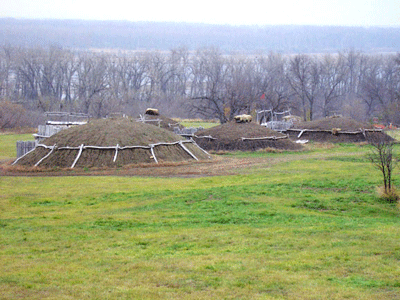
Several tribes built permanent farming villages, especially along the Missouri River and its tributaries.
Groups such as the Mandan, Hidatsa, and Arikara constructed large homes known as earth lodges.
Earth lodges were circular structures made from wooden frames covered with packed earth. These homes were strong, warm, and well suited to the Plains climate.
Inside an earth lodge:
- A central fire pit provided heat and light.
- Wooden beams supported the roof.
- Sleeping areas lined the walls.
- Families stored food supplies for winter.

Some villages contained dozens of earth lodges and could house hundreds of people.
These farming communities grew crops such as:
- Corn
- Beans
- Squash
- Sunflowers
Agriculture allowed these villages to remain in one place for long periods.
Tipis and Mobile Hunting Camps

While farming villages existed along rivers, many Plains hunters needed a form of shelter that could be easily moved.
For this purpose they used the tipi.

Tipis were cone-shaped tents made from wooden poles covered with bison hides.
They had several advantages:
- Easy to assemble and take down
- Strong enough to withstand wind
- Warm in winter
- Cool in summer
Because tipis were portable, they were ideal for communities that followed migrating bison herds across the Plains.
When a group moved to a new location, families could pack their belongings and set up camp again within a short time.
Trade Networks of the Plains
The Plains were not isolated. Indigenous peoples in this region participated in large trade networks that connected different parts of North America.
Trade routes linked the Plains to:
- The forests of the Eastern Woodlands
- The pueblos of the Southwest
- The Pacific Northwest
- The Mississippi River civilizations
Common trade goods included:
- Bison hides
- Stone tools
- Corn and other crops
- Shell ornaments
- Copper items
- Obsidian
The farming villages along the Missouri River often became important trading centers where goods from different regions were exchanged.
These trade networks helped spread cultural ideas and technologies across the continent.
Leadership and Social Organization
Plains societies were often organized around extended families and clans.
Communities were led by respected leaders or chiefs. These leaders were not kings or rulers in the European sense. Instead, their authority usually came from their ability to guide the community through wisdom, generosity, and courage.
Important decisions were often made through discussion among elders and respected members of the tribe.
Successful hunters and brave warriors earned honor and respect within their communities.
Spiritual Beliefs of the Plains
Like many Indigenous cultures, Plains peoples believed the natural world was filled with spiritual power.
Animals, rivers, storms, and mountains were often seen as part of a sacred balance of life.
Many tribes practiced ceremonies that honored the spirits of animals—especially the bison.
Individuals sometimes went on vision quests, seeking spiritual guidance through fasting and prayer in isolated places.
Spiritual leaders, often called medicine men or women, helped conduct ceremonies, heal the sick, and interpret dreams or visions.
Storytelling also played an important role in teaching moral lessons and preserving tribal traditions.
Plains Cultures on the Eve of European Contact
By the time Europeans began exploring North America in the late 1400s and early 1500s, Plains societies had already developed strong cultural traditions and ways of life adapted to the grassland environment.
Some groups lived in farming villages along rivers, growing crops and trading with neighboring peoples. Others followed bison herds across the open prairie.
Although horses had not yet become part of Plains life, hunting, trade, and community cooperation allowed these societies to thrive.
In the centuries that followed, the arrival of horses and new trade goods would transform Plains cultures in dramatic ways. But the foundations of these societies had already been built long before European contact.
The Legacy of the Great Plains Peoples
The cultures of the Great Plains demonstrate the remarkable adaptability of Indigenous peoples across North America.
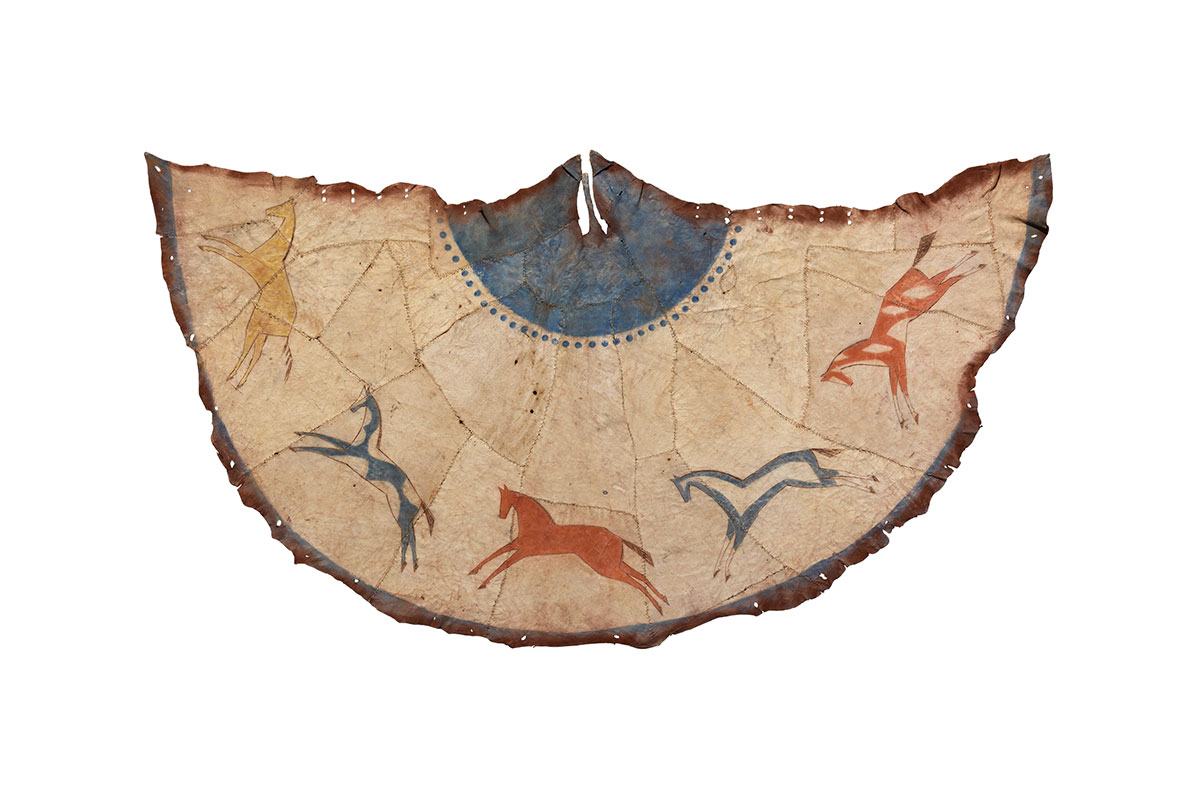
In a landscape where farming was difficult and resources were spread across vast distances, Plains societies developed ways of life that balanced mobility, cooperation, and deep respect for the natural world.
Their hunting traditions, portable homes, and strong community networks allowed them to survive and flourish in one of the continent’s most challenging environments.
Today, the descendants of these Plains peoples—including the Lakota, Cheyenne, Crow, Pawnee, Mandan, and many others—continue to preserve their languages, traditions, and cultural heritage.
Their history reminds us that long before European explorers crossed the Atlantic, North America was already home to vibrant and diverse civilizations.