The colonial history of New Hampshire is often overshadowed by the larger and more famous colonies of Massachusetts, Virginia, and Pennsylvania. Yet from its earliest settlements in the 1620s through the eve of the American Revolution, New Hampshire developed a distinctive identity shaped by rugged geography, contested political authority, and a fiercely independent population.
Between 1623 and 1775, the region evolved from scattered fishing outposts along the northern New England coast into a royal colony deeply involved in the political conflicts that eventually produced independence. New Hampshire’s colonists faced challenges from harsh winters, territorial disputes, Native American conflicts, and political domination by neighboring Massachusetts. These struggles fostered a culture of resilience and autonomy that helped propel the colony into the revolutionary movement.
Early Exploration and Settlement (1623–1641)
The first permanent English settlements in New Hampshire were established in 1623, making them among the earliest English footholds in northern New England.
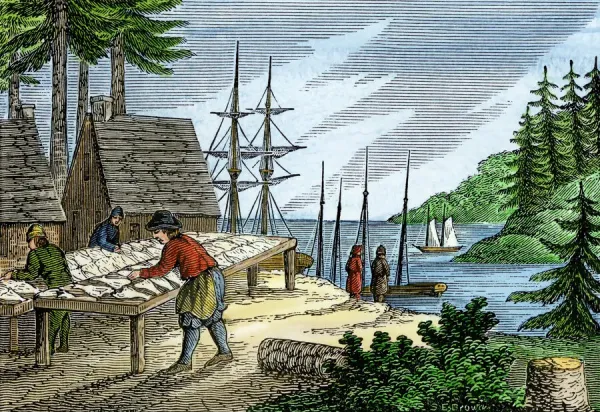
Two small settlements appeared along the Piscataqua River, which today forms part of the boundary between New Hampshire and Maine. One settlement arose at Odiorne Point, founded by the English fisherman David Thomson. Another emerged nearby at Dover, New Hampshire, originally called Hilton’s Point after settlers Edward Hilton and William Hilton.
Unlike the Puritan settlements that soon appeared in Massachusetts, the earliest New Hampshire communities were primarily commercial enterprises. Their purpose was not religious refuge but profit. Investors in England hoped to exploit the region’s rich fishing grounds, timber forests, and opportunities for trade with Native Americans.
These early settlements struggled to survive. The population remained small, winters were severe, and supplies from England were irregular. Nevertheless, the communities persisted and slowly expanded.
A key figure in the colony’s early history was John Mason, an English merchant and land speculator. Mason received a royal grant to the territory in 1629 and named it New Hampshire after the English county of Hampshire. He envisioned a prosperous proprietary colony based on fishing, lumber, and trade.
However, Mason never visited the colony. When he died in 1635, the settlements remained fragile and loosely organized, leaving the future of the region uncertain.
Under the Shadow of Massachusetts (1641–1679)
By the early 1640s, New Hampshire’s settlements faced serious political and economic challenges. Without strong leadership from England or a stable colonial government, many settlers sought protection from their powerful southern neighbor, the Massachusetts Bay Colony.
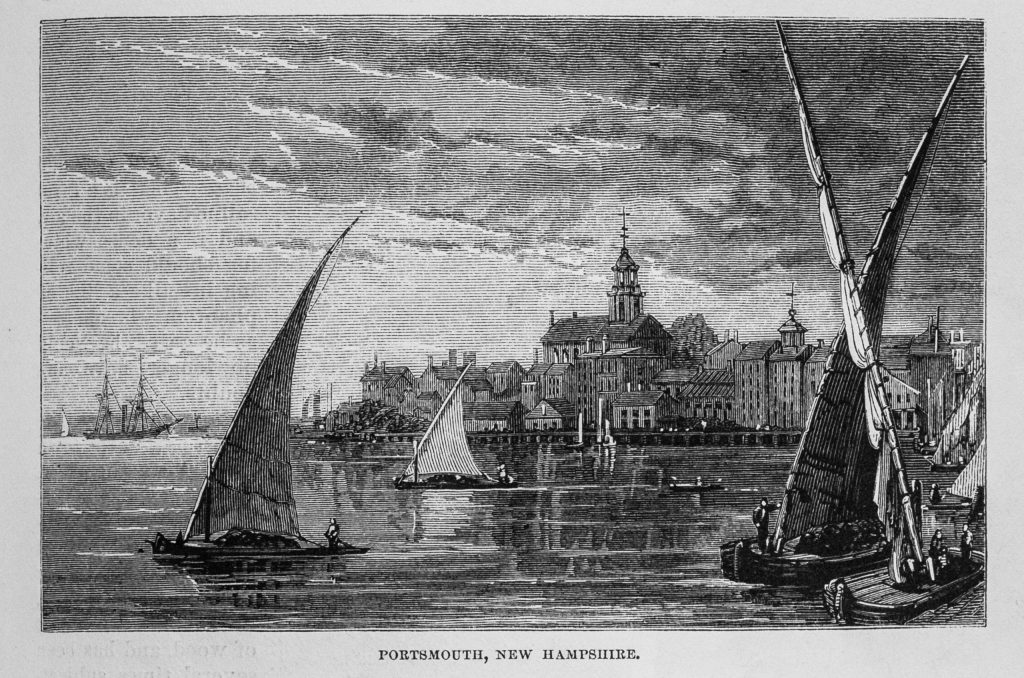
In 1641, four New Hampshire towns—Portsmouth, Dover, Exeter, and Hampton—agreed to place themselves under the jurisdiction of Massachusetts. This arrangement offered several advantages. Massachusetts provided political stability, military protection, and a functioning legal system.
Yet the union also brought changes. Massachusetts was governed by Puritan leaders, and its laws reflected Puritan religious values. While New Hampshire’s population included many Puritans, the colony had originally been more economically oriented than religiously motivated. The influence of Massachusetts therefore reshaped aspects of local governance and society.
During this period, the settlements gradually expanded inland. Farming communities developed alongside fishing villages, and trade networks grew throughout northern New England.
Still, New Hampshire remained relatively small compared to Massachusetts. Its towns were scattered and its population modest. Many settlers lived on isolated farms carved out of dense forests.
The union with Massachusetts lasted nearly forty years, but it also sparked political tensions. Some colonists disliked being governed from Boston and resented the taxes and regulations imposed by Massachusetts authorities.
These frustrations eventually reached the English crown.
A Separate Royal Colony (1679–1741)
In 1679, the English king Charles II separated New Hampshire from Massachusetts and established it as a royal colony.
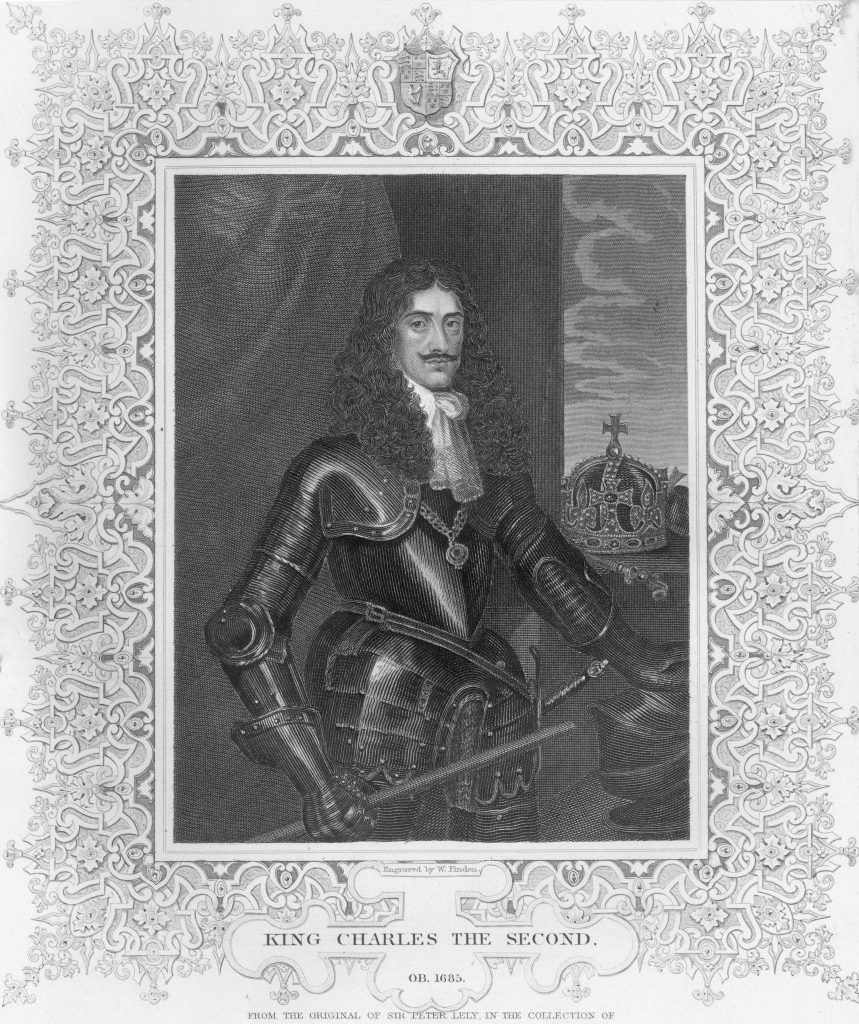
Under this system, the king appointed a royal governor to oversee the colony. The governor worked with a council and an elected assembly, though tensions frequently arose between these groups.
The first royal governor, John Cutt, attempted to establish an independent government. However, the new colony remained small and financially weak. For much of the late seventeenth century, New Hampshire was actually governed jointly with Massachusetts under shared leadership.
This arrangement reflected a practical reality: the colonies were economically and culturally intertwined. Portsmouth merchants traded regularly with Boston, and many settlers had family connections across the colonial border.
Despite political uncertainty, the colony slowly grew. New towns appeared along rivers and fertile valleys. Farming, lumbering, fishing, and shipbuilding became important industries.
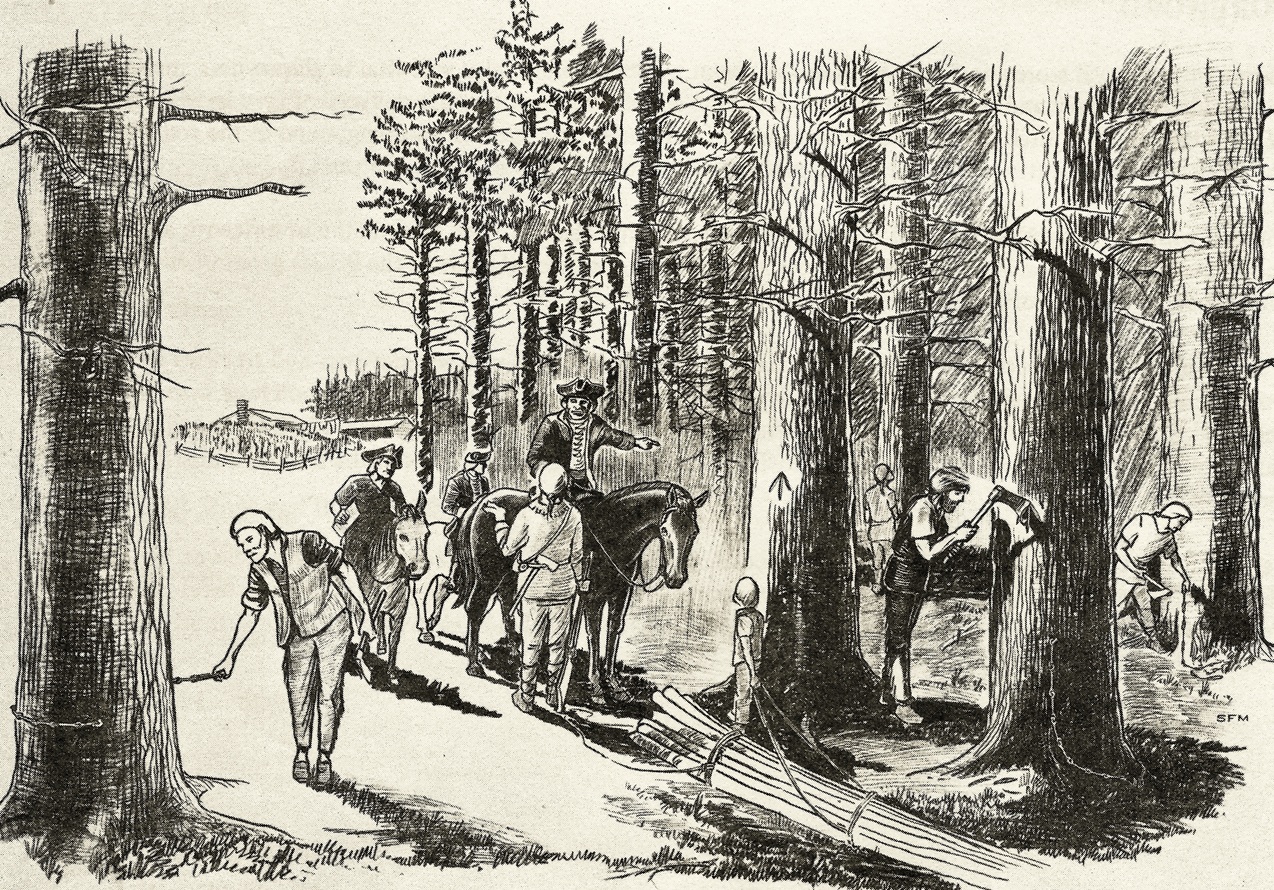
The colony’s forests proved especially valuable. New Hampshire’s tall white pines were prized by the Royal Navy for use as ship masts. The British government marked many of these trees with the “broad arrow,” reserving them for royal use.
This policy angered local settlers, who often cut the trees anyway. Disputes over mast trees became one of several early sources of tension between colonists and British authority.
Conflict and Frontier Life
Life in colonial New Hampshire was often shaped by frontier conflict.
Throughout the late seventeenth and early eighteenth centuries, the colony was caught in a series of wars between England and France. These conflicts—such as King William’s War (1689–1697) and Queen Anne’s War (1702–1713)—frequently spilled into northern New England.
French forces from New France, along with their Native American allies, attacked English frontier settlements. In New Hampshire, communities along the border lived in constant danger of raids.
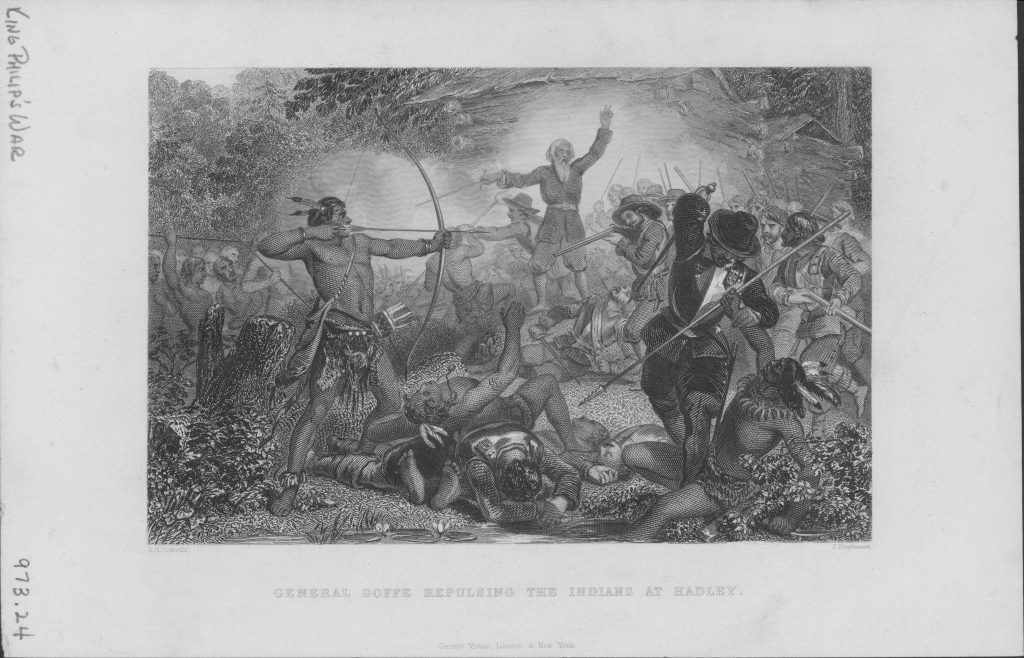
One of the most dramatic incidents occurred in 1697, when Native warriors attacked the settlement of Haverhill, Massachusetts, near the New Hampshire border. Several settlers were killed or captured in the raid.
These frontier wars shaped the colony’s development. Settlers built fortified houses, formed local militias, and maintained constant vigilance.
At the same time, trade and diplomacy continued between colonists and Native American tribes such as the Abenaki. Relationships were complex and varied depending on local circumstances.
The frontier experience fostered a culture of independence and self-reliance among New Hampshire settlers. Communities often had to defend themselves with little immediate help from distant colonial authorities.
The Portsmouth Economy
By the early eighteenth century, the port town of Portsmouth, New Hampshire had become the economic center of the colony.
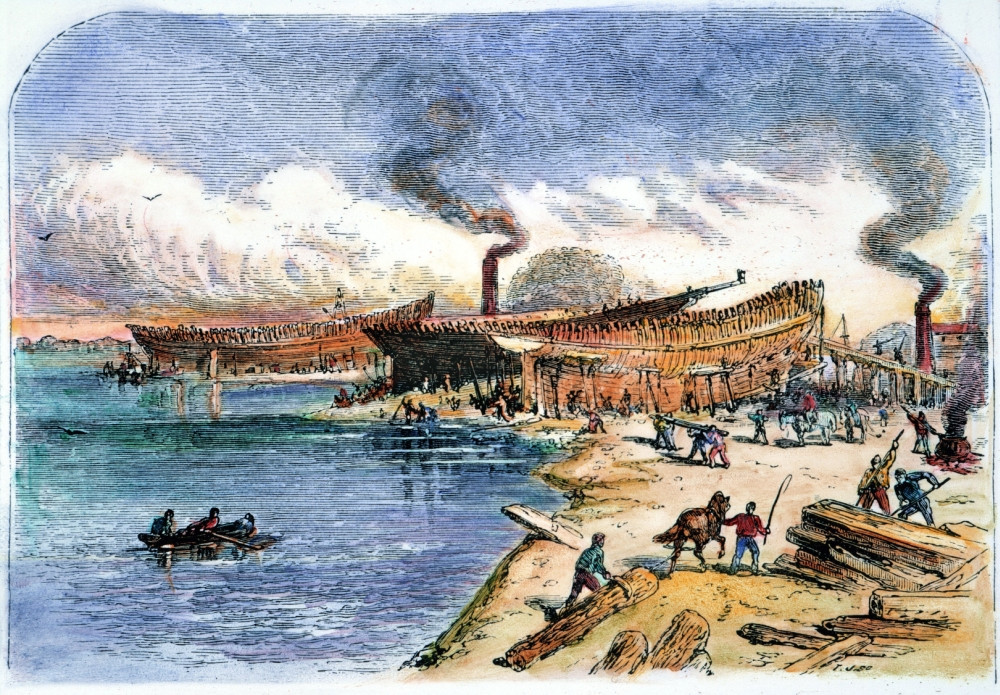
Portsmouth’s location along the Piscataqua River made it an ideal harbor for shipping and trade. Local merchants exported timber, fish, livestock, and naval stores such as tar and pitch. Ships built in Portsmouth sailed to England, the Caribbean, and other American colonies.
Shipbuilding became one of the colony’s most important industries. Skilled craftsmen constructed vessels for trade and for the British navy.
The surrounding forests supplied an abundance of timber. Lumber camps in the interior cut logs that were floated down rivers to coastal mills.
Farming also supported the colony’s economy. While New Hampshire’s rocky soil was less fertile than that of southern colonies, farmers raised crops such as corn, wheat, and hay. Livestock—including cattle, sheep, and pigs—provided food and trade goods.
Despite economic growth, wealth remained unevenly distributed. A small group of merchants and landowners dominated Portsmouth’s commercial life, while many settlers lived modestly on small farms.
The Mason Land Dispute
One of the most persistent issues in colonial New Hampshire involved land ownership.
Descendants of John Mason continued to claim ownership of large portions of the colony based on Mason’s original land grant.
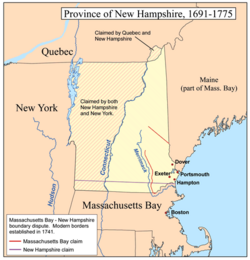
These claims created conflict with settlers who had already established farms on the land. Many colonists refused to recognize the Mason heirs’ authority.
The dispute lasted decades and generated frequent legal battles. Some settlers even formed resistance movements to prevent land seizures.
Eventually the British government intervened and attempted to settle the issue by recognizing certain land titles while compensating the Mason heirs.
The controversy reflected a broader pattern in colonial America: the tension between large proprietary land claims and the desires of ordinary settlers to own and control their farms.
Benning Wentworth and Colonial Expansion
A turning point in New Hampshire’s colonial administration came with the appointment of Benning Wentworth as royal governor in 1741.
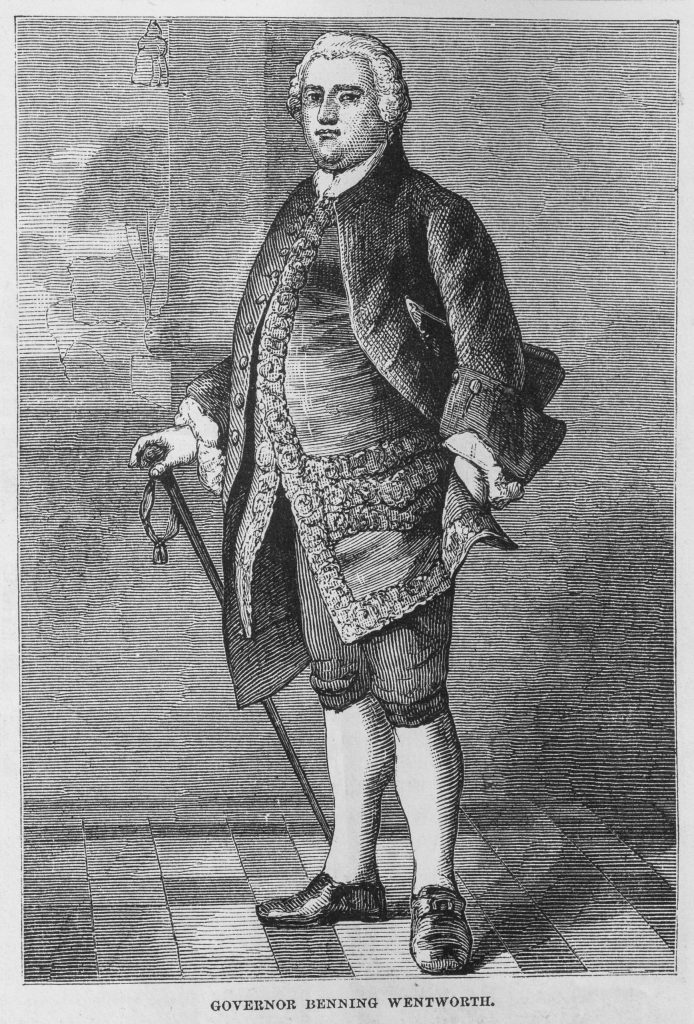
Wentworth governed the colony for more than twenty-five years and oversaw a period of territorial expansion and political stability.
During his administration, dozens of new towns were chartered throughout northern New England. Wentworth also issued land grants in the region west of the Connecticut River, an area that later became the state of Vermont.
These grants, known as the New Hampshire Grants, attracted settlers seeking farmland and opportunity.
However, the expansion created new political disputes. The colony of New York also claimed authority over the same territory. This conflict eventually contributed to the emergence of Vermont as a separate political entity during the revolutionary era.
Wentworth’s long governorship strengthened New Hampshire’s political institutions and helped establish clearer boundaries between it and neighboring colonies.
Rising Revolutionary Sentiment
By the mid-eighteenth century, tensions between the American colonies and Great Britain were growing.
Like many colonists elsewhere, New Hampshire residents objected to new taxes and regulations imposed by the British government after the French and Indian War (1754–1763). Measures such as the Stamp Act and the Townshend Acts sparked protests throughout the colony.
Merchants organized boycotts of British goods, while political leaders criticized the idea of taxation without representation.
One dramatic event occurred in December 1774, when colonial patriots attacked Fort William and Mary near Portsmouth.
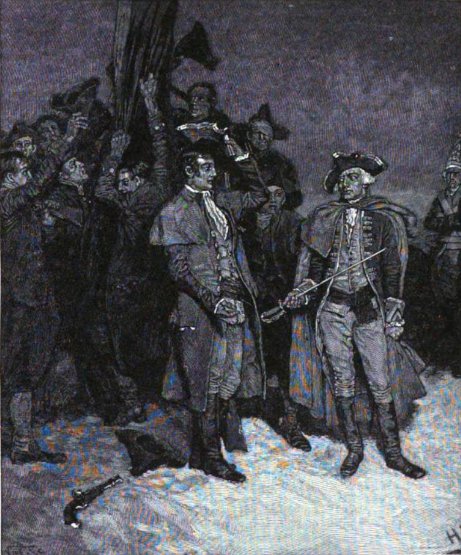
Led by local revolutionary leaders, a group of colonists seized gunpowder and weapons from the fort. This action took place months before the battles of Battles of Lexington and Concord, making it one of the earliest acts of armed resistance against British authority.
The captured supplies were later used by revolutionary forces in New England.
By early 1775, New Hampshire had effectively overthrown royal authority. Colonial leaders replaced the governor’s government with a provincial congress, which began organizing resistance and preparing for war.
Conclusion: New Hampshire on the Eve of Revolution
From its humble beginnings as a pair of fishing settlements in 1623, New Hampshire developed into a resilient and increasingly independent colony by the eve of the American Revolution.
Its settlers endured harsh climates, political uncertainty, land disputes, and frontier warfare. They lived on the edge of empire—both geographically and politically—often forced to rely on their own resourcefulness.
These experiences shaped a population that valued local control and distrusted distant authority.
By 1775, the people of New Hampshire were ready to join the other American colonies in the struggle for independence. In fact, the colony would soon become the first to adopt its own state constitution in 1776, months before the Declaration of Independence.
The colonial era had forged a community of farmers, merchants, craftsmen, and sailors whose shared experiences prepared them for the revolutionary transformation that was about to reshape North America.
New Hampshire was one of the original thirteen English colonies in North America. To understand how New Hampshire fit into the broader story of colonial America, see our guide to the thirteen colonies.