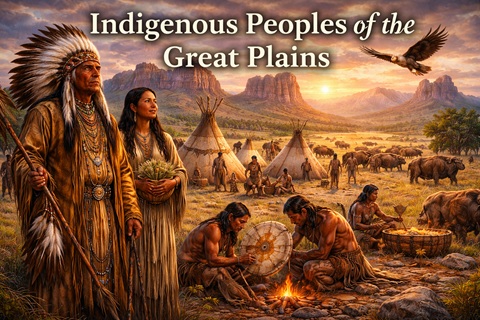
Indigenous Peoples of the Great Plains

Indigenous life on the Great Plains

The Great Plains region of North America is a vast area of grasslands stretching from the Mississippi River to the Rocky Mountains. Indigenous peoples of this region developed ways of life that were closely tied to the land, especially the movement of buffalo herds. Over time, these societies adapted to changing conditions, including the introduction … Read more
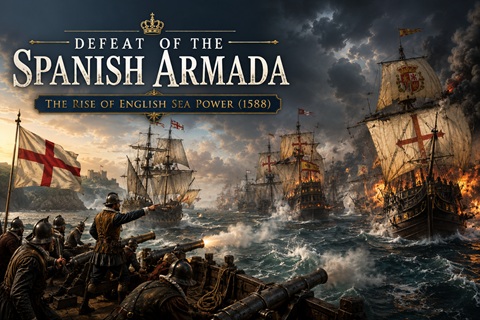
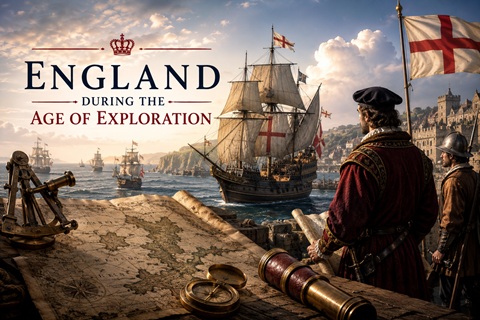
England During the Age of Exploration

During the Age of Exploration, England emerged as an important seafaring nation, challenging the dominance of Spain and Portugal. Under the leadership of Queen Elizabeth I, England supported voyages, encouraged trade, and expanded its influence overseas. Explorers like Sir Francis Drake and John Cabot helped England explore new lands and establish a presence in the … Read more

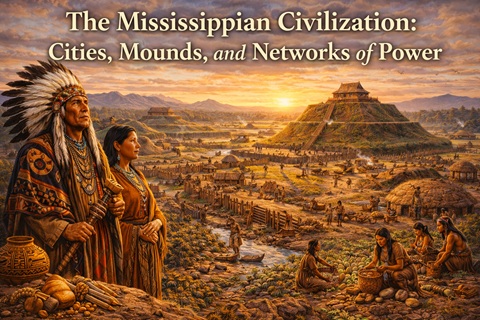
The Mississippian Civilization: Cities, Mounds, and Networks of Power in Pre-Columbian North America

Mississippian city at sunset

The Mississippian Civilization was one of the most advanced and organized societies in pre-Columbian North America. Flourishing between about 800 and 1600 CE, these societies built large cities, created massive earthen mounds, and developed extensive trade networks across the continent. Centered in the Mississippi River Valley, Mississippian peoples used agriculture—especially corn—to support growing populations and … Read more

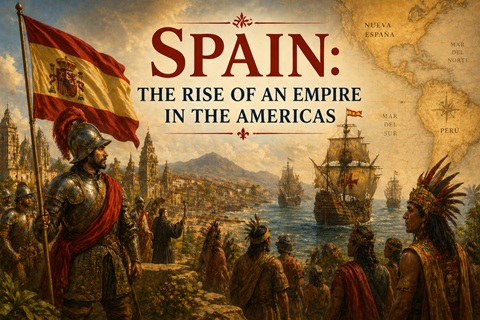
Spain: The Rise of an Empire in the Americas

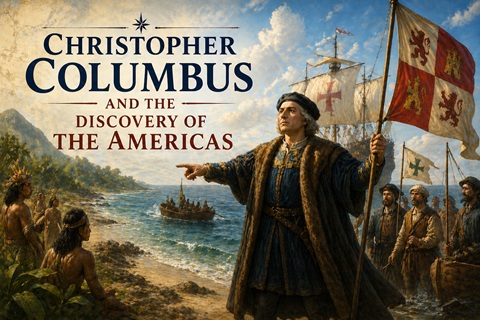
Spain: The Rise of an Empire in the Americas

In the 1500s, Spain became one of the most powerful empires in the world by conquering and colonizing large parts of the Americas. Following the voyages of Christopher Columbus, Spanish explorers and soldiers—known as conquistadors—claimed land, searched for wealth, and spread their influence. Figures like Hernán Cortés and Francisco Pizarro played major roles in building … Read more

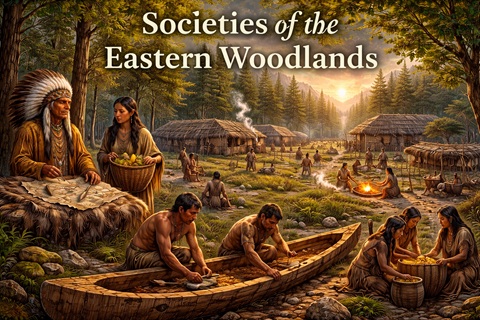
Societies of the Eastern Woodlands

Eastern Woodlands village at sunset

The Eastern Woodlands region of North America was home to many Indigenous societies that developed complex cultures adapted to forests, rivers, and seasonal changes. Stretching from the Atlantic Ocean to the Mississippi River, this region provided abundant natural resources that supported farming, hunting, and trade. In this lesson, students will explore how Eastern Woodlands peoples … Read more

The Historical Impact of Lord Byron’s Poetry

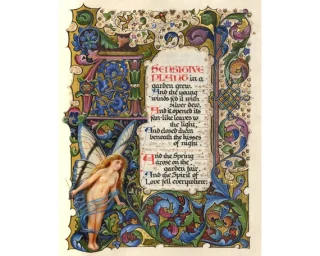
Byron poem

Few poets have lived so intensely in the public imagination—or left so visible a mark on culture, politics, and literary identity—as Lord Byron. Writing at the height of the Romantic movement, Byron transformed poetry into a force that spilled far beyond the page. His verse reshaped ideas of individual freedom, political resistance, emotional authenticity, and … Read more

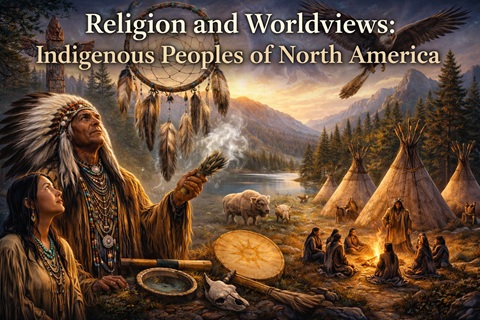
Religion and Worldviews: Indigenous Peoples of North America

Sacred traditions of Indigenous North America

Indigenous peoples of North America developed rich and diverse belief systems long before European contact. These worldviews were deeply connected to nature, community, and a sense of balance in the world. Rather than separating religion from daily life, spiritual beliefs were woven into hunting, farming, storytelling, and governance. In this lesson, students will explore how … Read more

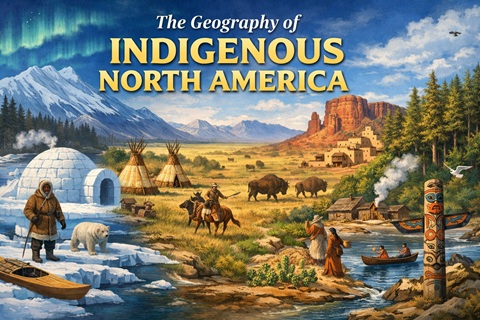
The Geography of Indigenous North America

A panorama of North American landscapes

Before European contact, Indigenous peoples lived across a vast and diverse land we now call North America. From frozen tundra to dense forests, wide grasslands to dry deserts, geography shaped how people lived, traveled, ate, and built their communities. In this lesson, you will explore how different environments influenced Indigenous cultures and ways of life. … Read more