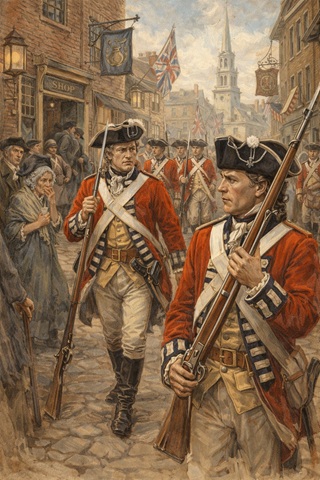
In the early years of American colonization, the relationship between the colonies and Great Britain was mostly peaceful. The colonies were part of the British Empire, and many colonists were proud to be English. They spoke the same language, followed similar laws, and traded goods across the Atlantic Ocean.
However, over time, this relationship began to change. Small disagreements slowly turned into bigger problems. Colonists began to feel more independent, while Britain began to pay more attention to controlling its colonies. These changes created tension—like a rope being pulled tighter and tighter.
This tension did not lead to revolution right away. Instead, it built up over many years. To understand how this happened, we need to explore three key ideas: salutary neglect, the growth of independence in the colonies, and the early “seeds” of revolution.
What Was Salutary Neglect?
One of the most important reasons the colonies developed a sense of independence was a policy known as salutary neglect.
Salutary neglect was the British government’s practice of loosely enforcing laws in the American colonies. In other words, Britain had rules for the colonies, especially about trade, but it did not always strictly enforce them.
This policy was not officially written down as a rule. Instead, it developed over time. British leaders believed that as long as the colonies were making money and supporting the empire, it was best not to interfere too much in their daily affairs.
For the colonists, this situation had several important effects.
First, it allowed them to govern themselves. Colonial assemblies made laws, managed taxes, and handled local issues with little interference from Britain.
Second, it gave them freedom in trade. While there were laws, such as the Navigation Acts, that controlled how goods were bought and sold, colonists often found ways around them. Because enforcement was weak, smuggling became common.
Third, it helped colonists develop habits of independence. They became used to solving their own problems and making their own decisions.
For many years, salutary neglect worked well for both sides. Britain benefited from trade and resources, while the colonies enjoyed a great deal of freedom.
But this situation would not last forever.
Why Did Salutary Neglect End?
By the mid-1700s, Britain began to change its approach to the colonies.
One major reason was money. Britain had spent a great deal on wars, including the French and Indian War (also known as part of a larger global conflict). These wars left Britain deeply in debt.
British leaders believed that the colonies should help pay for these expenses. After all, they argued, the wars had been fought in part to protect the colonies.
As a result, Britain began to enforce its laws more strictly and introduce new policies to increase control and collect revenue.
This shift marked the end of salutary neglect.
For colonists, this change was shocking. After years of relative freedom, they suddenly faced stricter rules and closer supervision. It felt as though Britain was taking away freedoms they had long enjoyed.
Growing Independence in the Colonies
Even before tensions increased, the colonies had already begun to develop a strong sense of independence.
This independence grew from several factors.
First, distance played a major role. The Atlantic Ocean separated the colonies from Britain by thousands of miles. This made communication slow and difficult. Because of this, colonists often had to act on their own, without waiting for instructions.
Second, colonial life was different from life in Britain. The colonies had more land, fewer people, and different economic opportunities. Colonists became used to relying on themselves and their communities.
Third, self-government helped build confidence. Through town meetings, local governments, and colonial assemblies, colonists gained experience in making decisions and creating laws.
Fourth, diversity also contributed to independence. The colonies were home to people from many different backgrounds and religions. This created a culture that was less tied to a single authority and more open to different ideas.
Over time, colonists began to see themselves not just as British subjects, but as Americans with their own identity.
Early Signs of Conflict
As Britain began to tighten control, disagreements started to appear.
One of the main issues was taxation. Britain believed it had the right to tax the colonies. Colonists, however, believed that only their own elected representatives should have that power.
This disagreement led to one of the most famous ideas in American history: “no taxation without representation.” Colonists argued that it was unfair to be taxed by a government in which they had no direct representation.
Trade was another source of conflict. Britain wanted to control colonial trade to benefit the empire. Colonists often wanted more freedom to trade with other countries.
There were also disagreements about authority. Who had the final say in colonial matters—the British government or the colonial assemblies?
These questions did not have easy answers, and tensions continued to grow.
The Seeds of Revolution
Although the American Revolution had not yet begun, the “seeds” of revolution were already being planted.
These seeds were not a single event, but a combination of ideas, experiences, and disagreements.
One important seed was the belief in rights. Colonists believed they had rights as English citizens, including the right to representation and fair treatment under the law.
Another seed was experience with self-government. Because colonists had been governing themselves for years, they believed they were capable of doing so without British control.
A third seed was frustration. As Britain began to enforce rules more strictly and collect taxes, colonists felt that their freedoms were being threatened.
Communication also played a role. Newspapers, pamphlets, and meetings allowed colonists to share ideas and discuss problems. This helped create a sense of unity among different colonies.
Even though not all colonists agreed—some remained loyal to Britain—the number of people questioning British authority began to grow.
Different Views Among Colonists
It is important to remember that not all colonists felt the same way about Britain.
Some colonists, known as Loyalists, believed that staying connected to Britain was important. They felt that Britain provided protection and stability.
Others, who would later be called Patriots, believed that the colonies should have more control over their own affairs.
Many colonists were somewhere in between. They were unsure what the future should look like and hoped that problems could be solved without conflict.
These differences meant that the colonies were not united at first. It would take time—and more events—for opinions to become stronger and more divided.
Everyday Effects of Growing Tension
The growing tension between Britain and the colonies was not just a political issue. It affected everyday life.
Merchants had to deal with changing trade rules. Farmers worried about taxes and markets for their crops. Townspeople heard debates about rights and laws.
Meetings and discussions became more common. People talked about what was fair and what was not. These conversations helped shape public opinion.
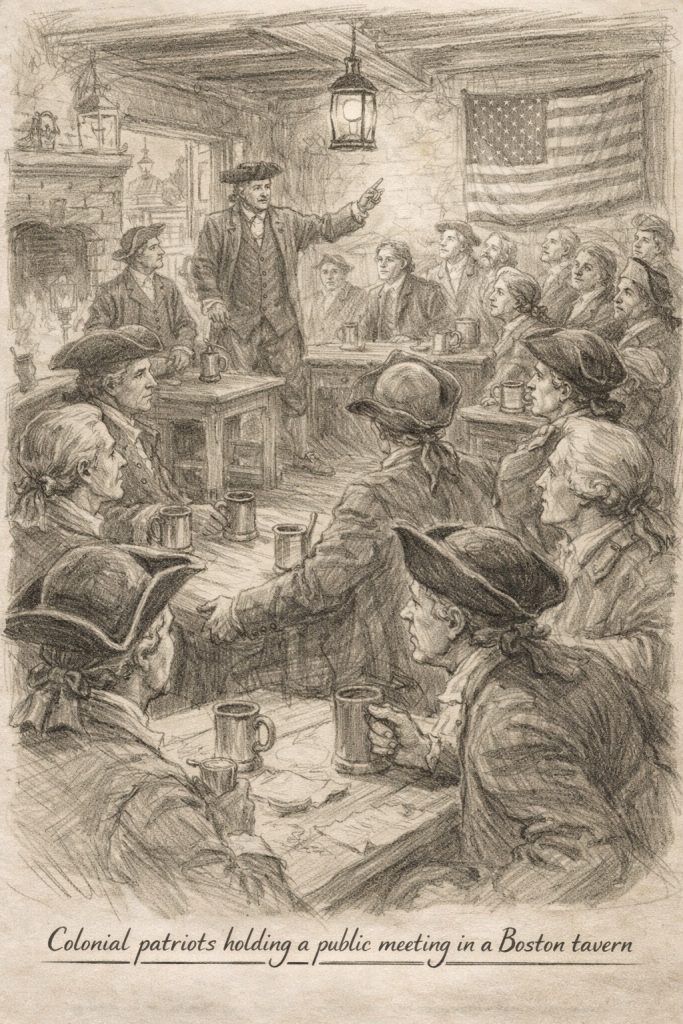
In some cases, protests began to occur. Colonists used boycotts, meaning they refused to buy certain goods, to show their disagreement with British policies.
Even though these actions were not yet part of a full revolution, they showed that colonists were willing to stand up for their beliefs.
Why This Period Matters
The period of growing tension between Britain and the colonies is important because it shows how change often happens slowly.
There was no single moment when colonists decided to break away from Britain. Instead, ideas and feelings developed over time.
Salutary neglect allowed colonists to become used to independence. When Britain changed its policies, it created conflict.
The colonists’ experiences with self-government, combined with their beliefs about rights, helped prepare them for what would come next.
Understanding this period helps us see that revolutions are not just about battles. They are also about ideas, disagreements, and the choices people make over time.
Conclusion
The relationship between the American colonies and Britain began as a partnership but slowly grew more complicated. The policy of salutary neglect allowed colonists to develop independence and confidence in governing themselves.
When Britain began to tighten control and enforce its laws more strictly, colonists felt that their rights were being challenged. This led to disagreements over taxation, trade, and authority.
These disagreements planted the seeds of revolution. Colonists began to question British rule and think about what it meant to have freedom and self-government.
For middle school students, this story offers an important lesson: big changes often start with small problems. When people feel that something is unfair, they begin to ask questions and seek solutions. Over time, these questions can lead to major changes in history.
The trouble between colonists and Britain did not lead to revolution overnight, but it set the stage for one of the most important events in American history—the fight for independence.
