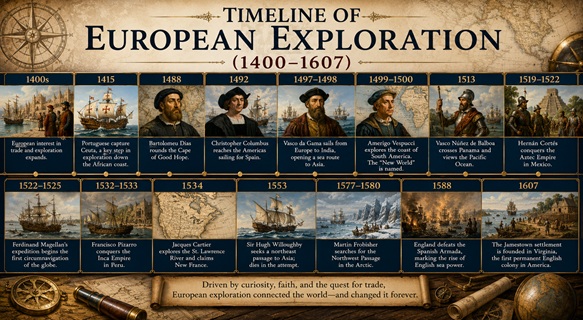
A Timeline Journey from First Voyages to the Founding of English America
Introduction: A World About to Change
In the early 1400s, most Europeans had never traveled far from home. The world beyond Europe, North Africa, and parts of Asia was largely unknown to them. But over the next 200 years, bold explorers would set sail across dangerous oceans, searching for trade, wealth, and new lands.
These journeys are part of what we call the Age of Exploration—a time when European nations began to explore and map the world. By 1607, these voyages would lead to something even bigger: the beginning of permanent English colonies in North America.
Let’s take a journey through time and explore the key events that shaped this incredible era.
1400s — Portugal Leads the Way
Prince Henry the Navigator (Early–Mid 1400s)
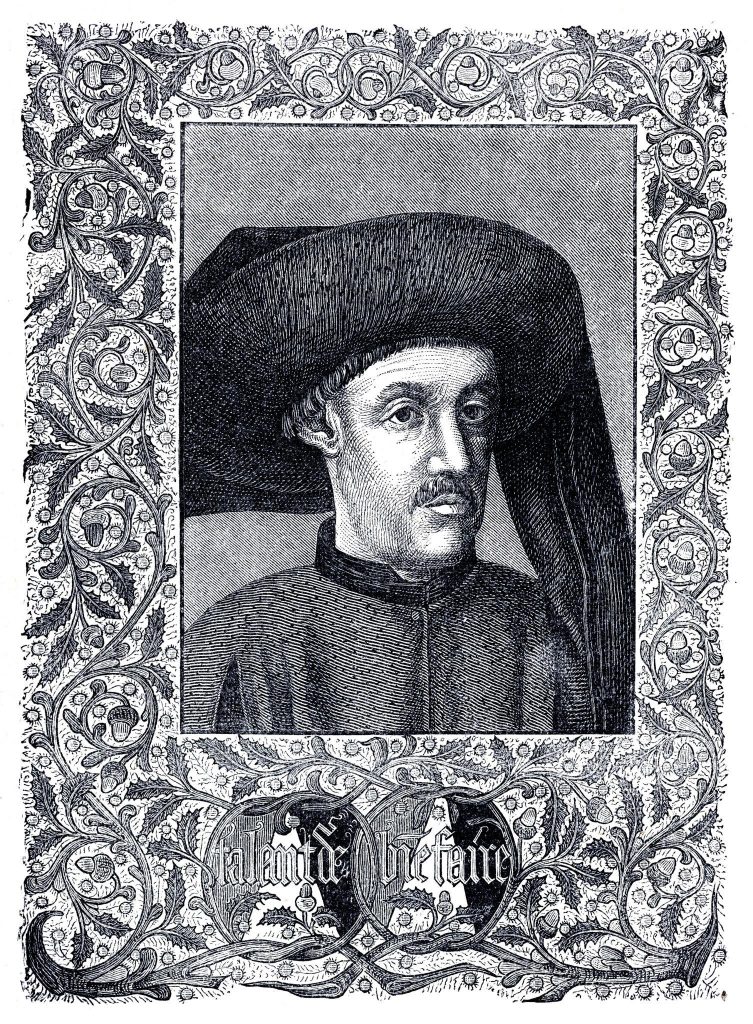
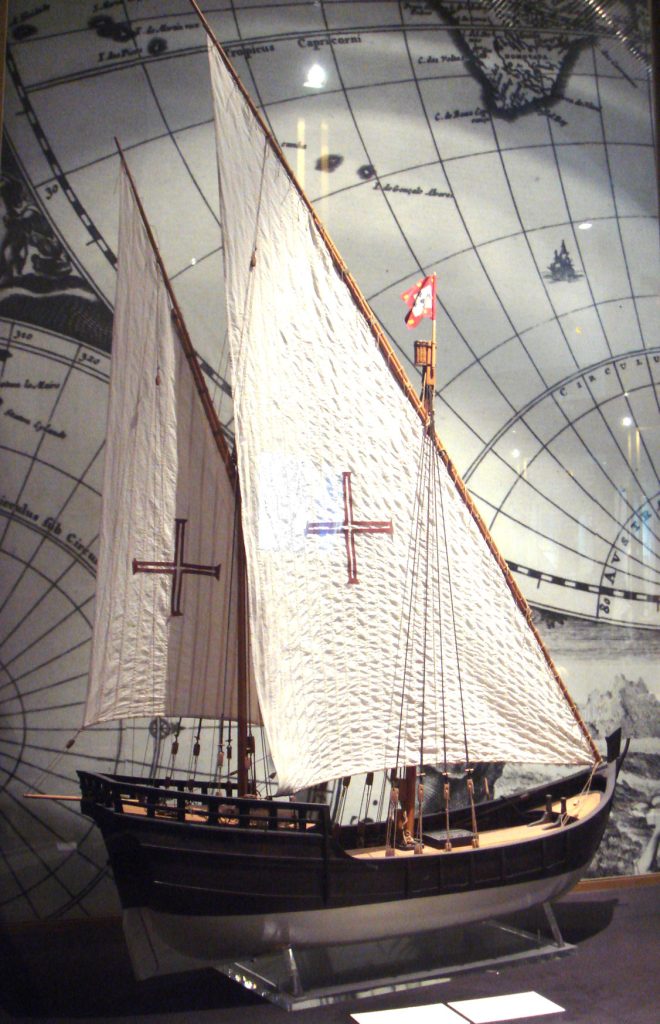
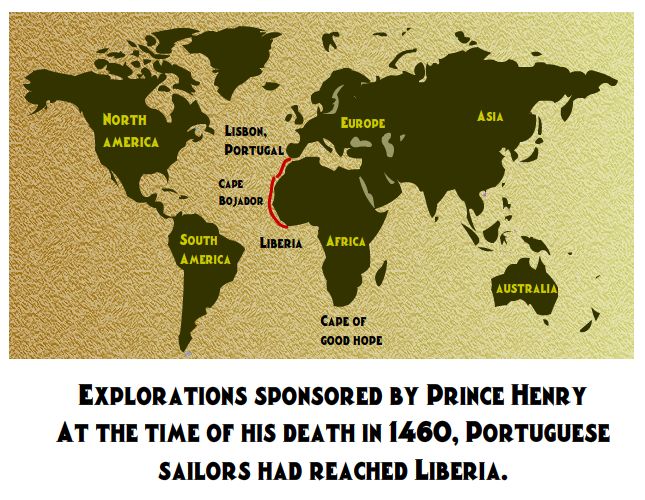
One of the first leaders to support exploration was Prince Henry the Navigator of Portugal.
Even though he did not sail on most voyages himself, Prince Henry played an important role by:
- Funding expeditions along the west coast of Africa
- Supporting the study of navigation and mapmaking
- Encouraging the building of better ships
Because of his efforts, Portuguese sailors slowly explored farther and farther down the coast of Africa. This opened new trade routes and helped Europe begin looking beyond its borders.
1492 — Columbus Crosses the Atlantic
Christopher Columbus and the “New World”
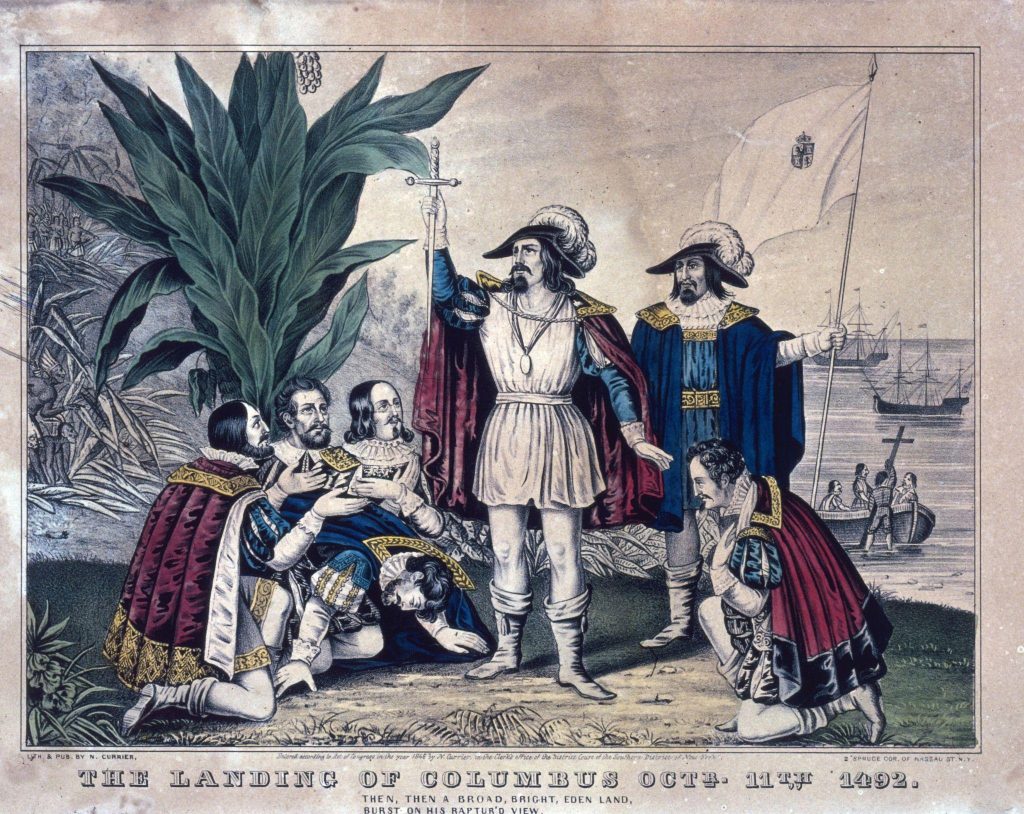
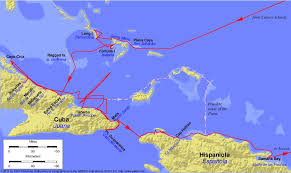
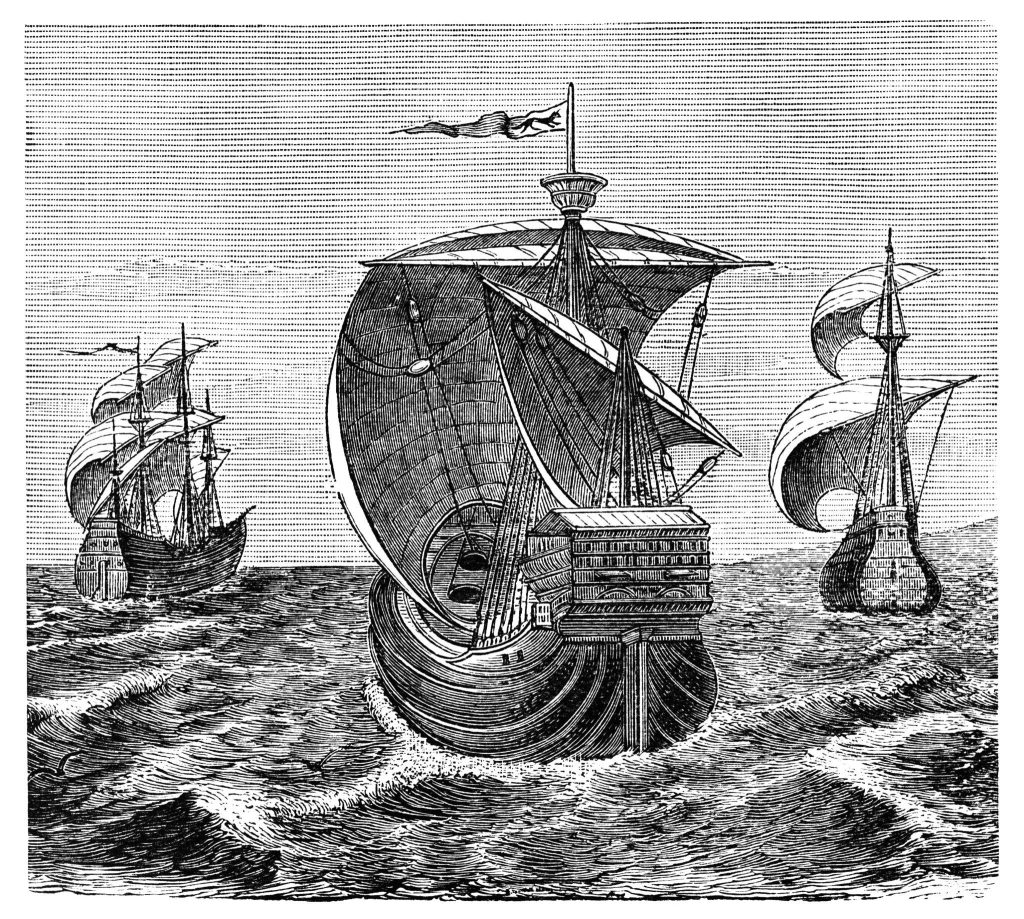
In 1492, Christopher Columbus, sailing for Spain, set out to find a new route to Asia by sailing west across the Atlantic Ocean.
Instead, he reached islands in the Caribbean.
Columbus believed he had reached Asia, but in reality, he had encountered lands that were unknown to Europeans at the time. This event opened the door to European exploration of the Americas.
1497 — England Enters the Race
John Cabot’s Voyage
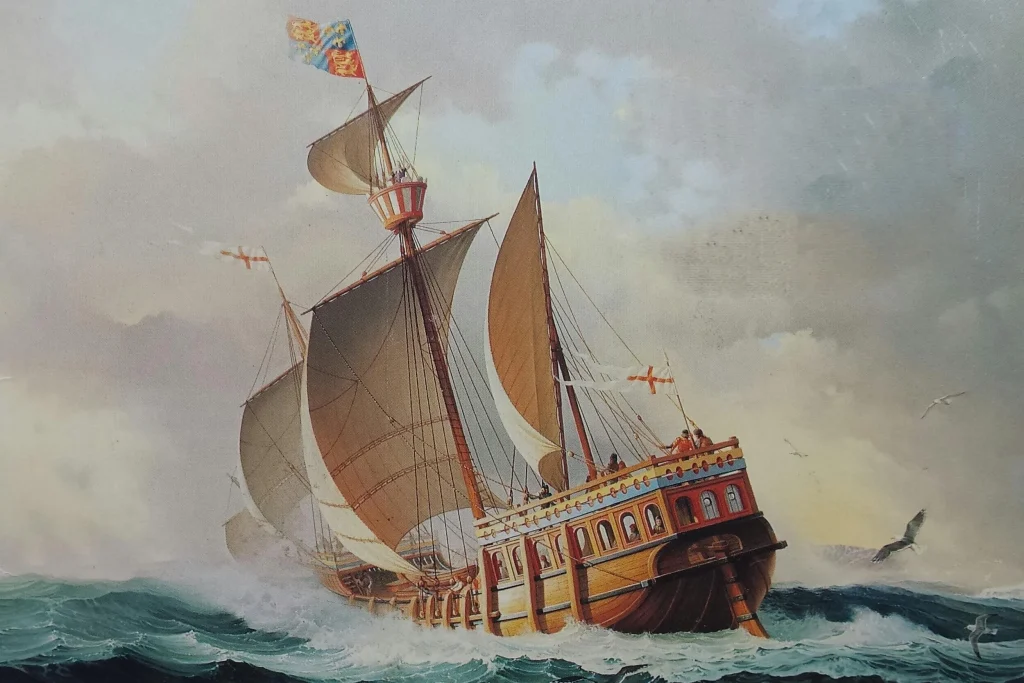
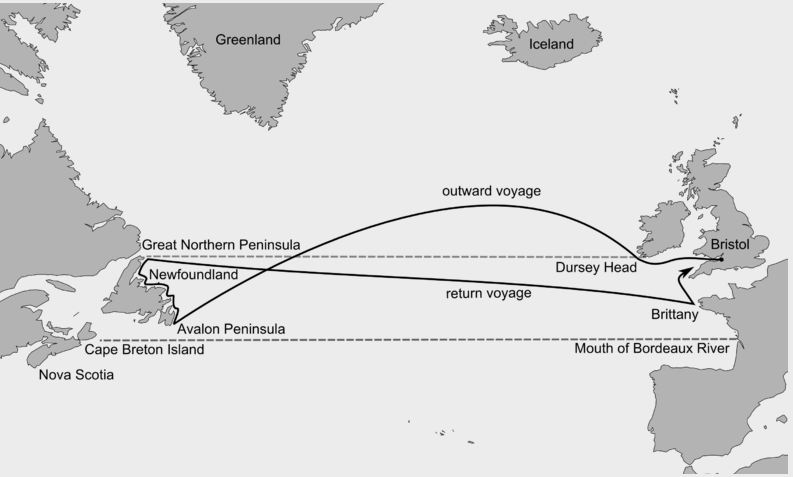
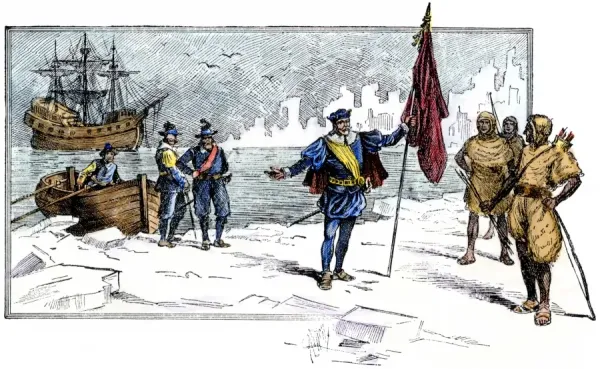
Just a few years later, in 1497, John Cabot sailed for England.
Cabot reached the coast of North America, likely near present-day Canada. His voyage was important because:
- It gave England a claim to land in North America
- It marked the beginning of English exploration
Although England would not build colonies right away, Cabot’s journey laid the foundation for the future.
1498 — A Sea Route to India
Vasco da Gama’s Historic Voyage
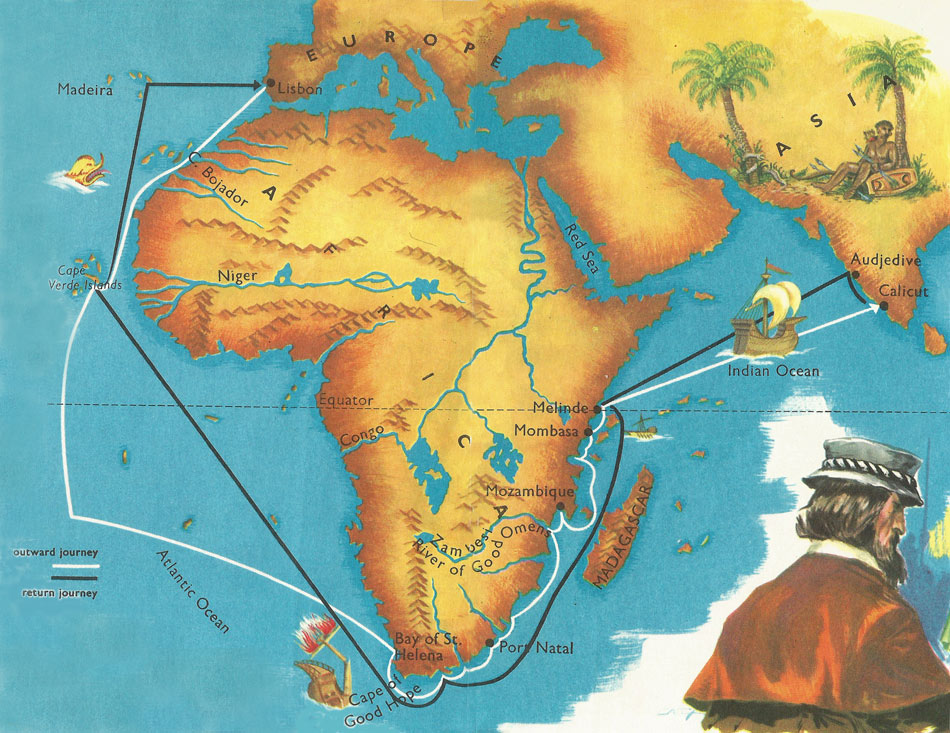
In 1498, Vasco da Gama of Portugal achieved something many explorers had been trying to do.
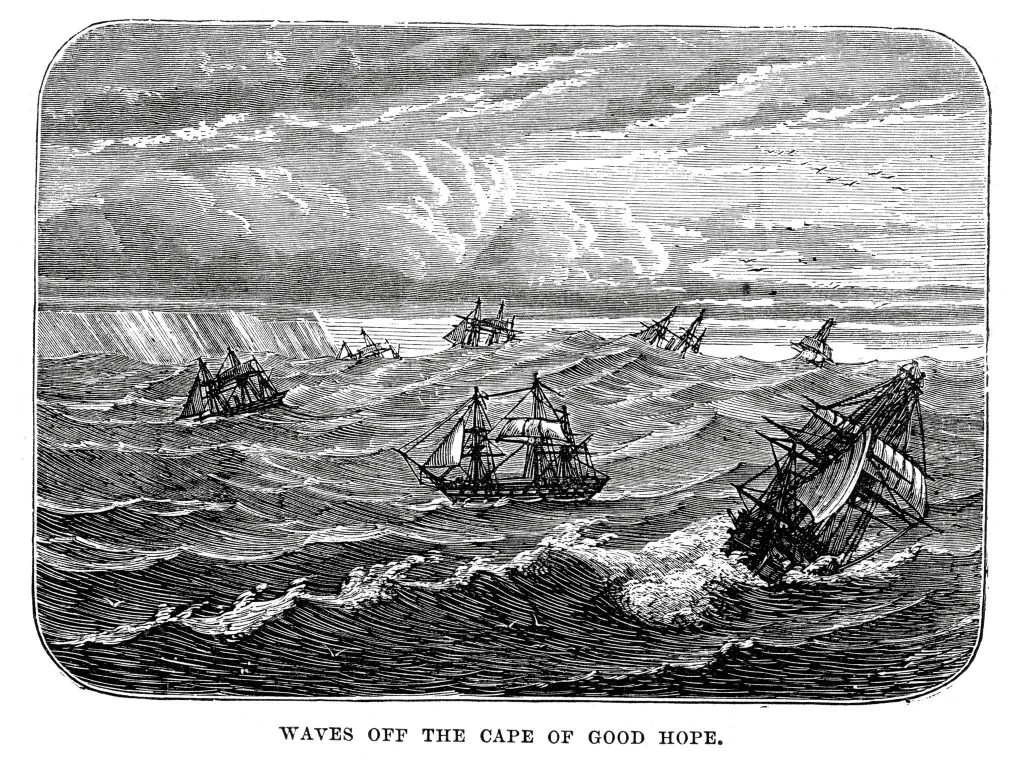
He sailed around the southern tip of Africa (the Cape of Good Hope) and reached India by sea.
This was a huge success because it:
- Created a direct trade route between Europe and Asia
- Allowed Portugal to build a powerful trading empire
1588 — England Defeats the Spanish Armada
A Turning Point at Sea
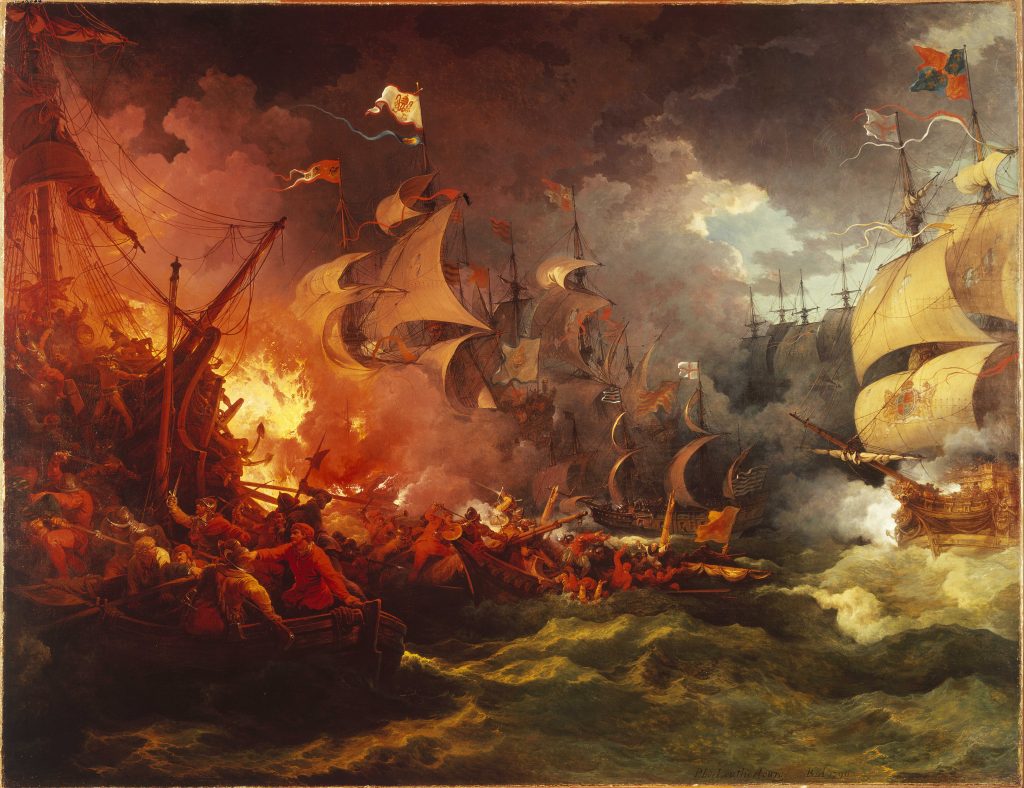
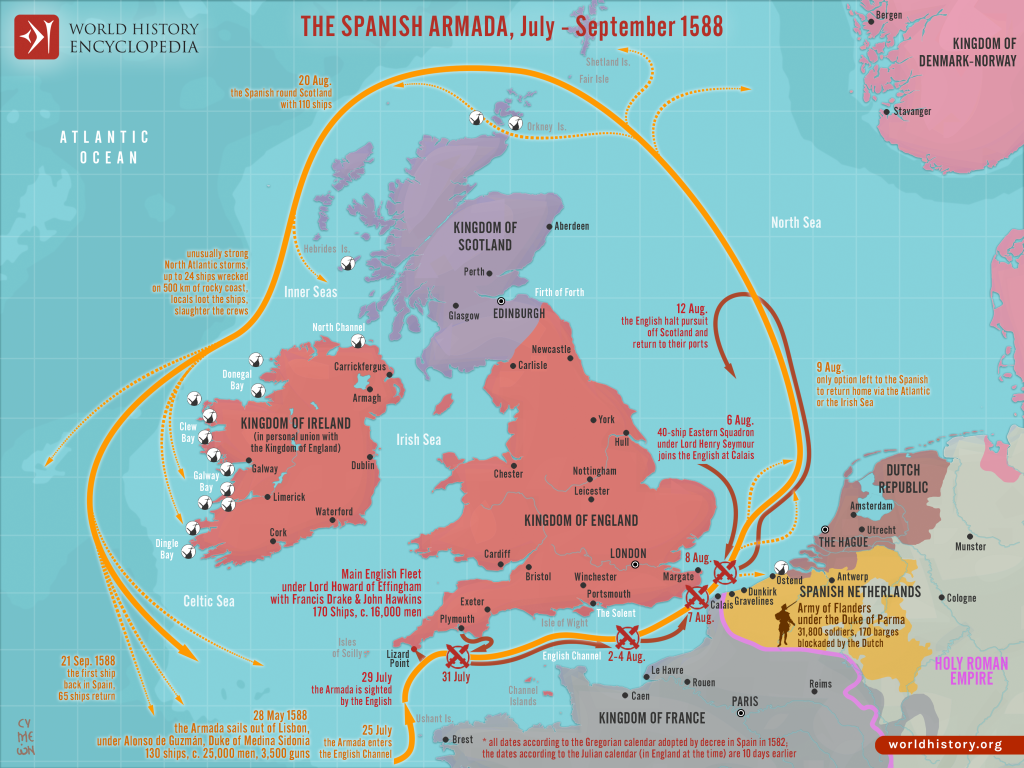
By the late 1500s, Spain had become the most powerful nation in the world. But in 1588, everything began to change.
Spain sent a huge fleet, called the Spanish Armada, to invade England. However:
- English ships were faster and more maneuverable
- English forces used clever tactics
- Storms damaged many Spanish ships
The Armada was defeated.
This victory was important because it:
- Weakened Spain’s control of the seas
- Allowed England to become a major naval power
- Opened the Atlantic Ocean to English exploration
1580s — The Mystery of Roanoke
The Lost Colony
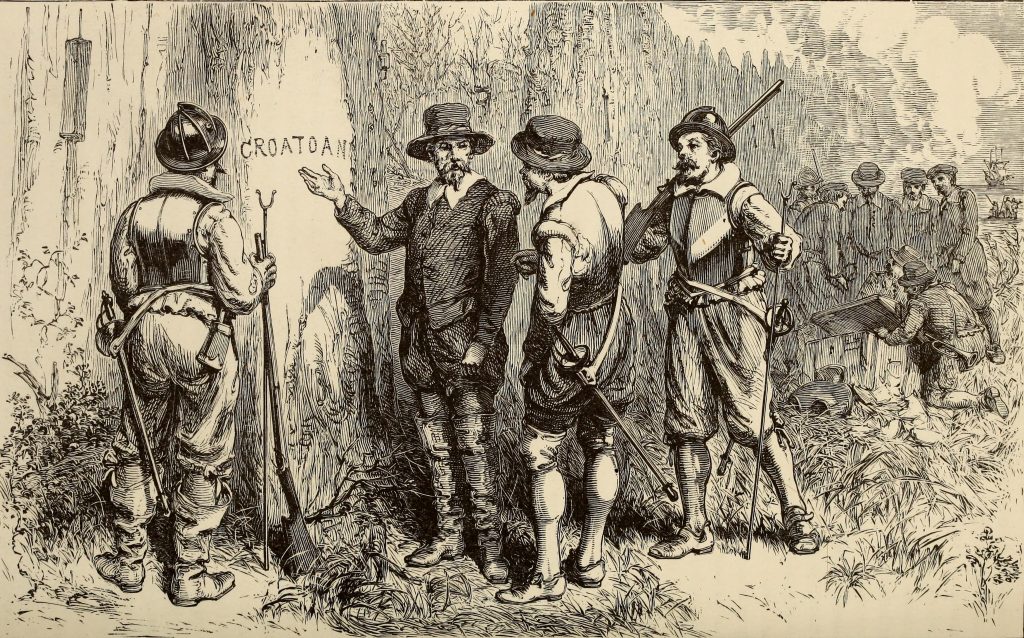
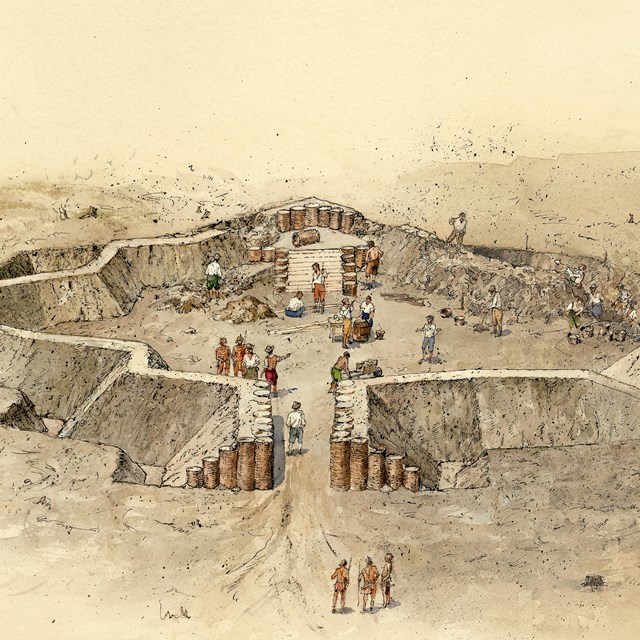
In the 1580s, Sir Walter Raleigh helped establish England’s first attempt at a colony in North America: Roanoke.
But something strange happened.
When English ships returned to the colony, the settlers were gone. The only clue left behind was the word:
“CROATOAN”
To this day, no one knows exactly what happened to the colonists. This mystery continues to fascinate students and historians alike.
1607 — Jamestown Is Founded
The First Permanent English Colony
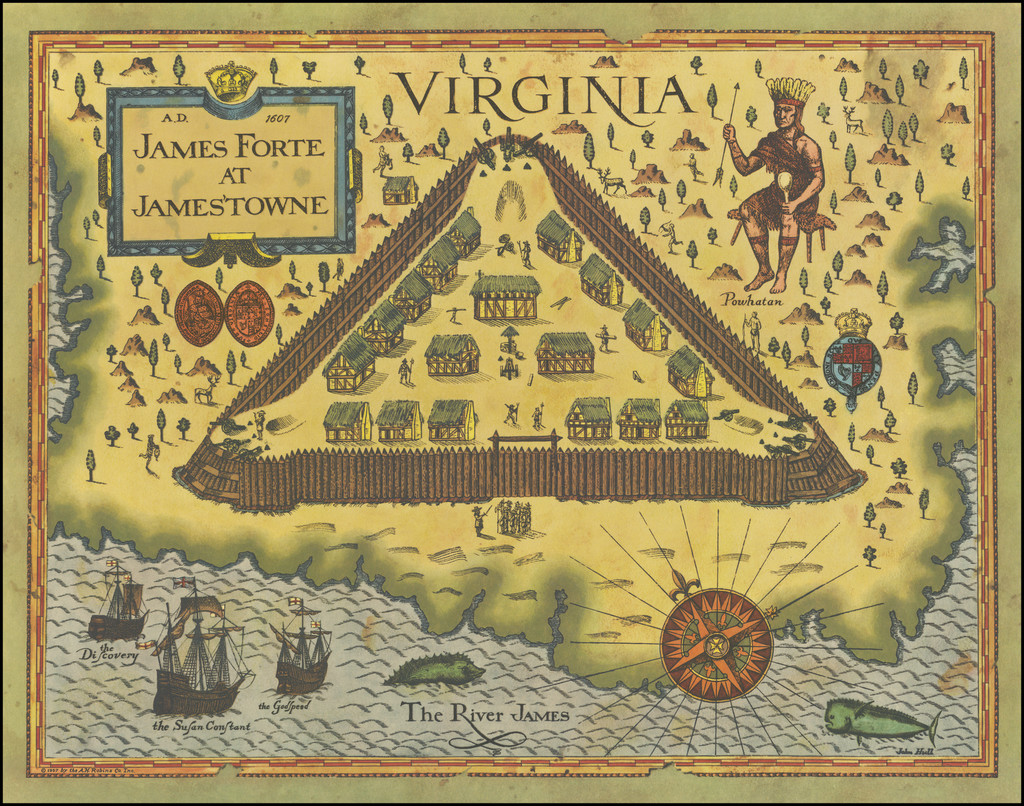
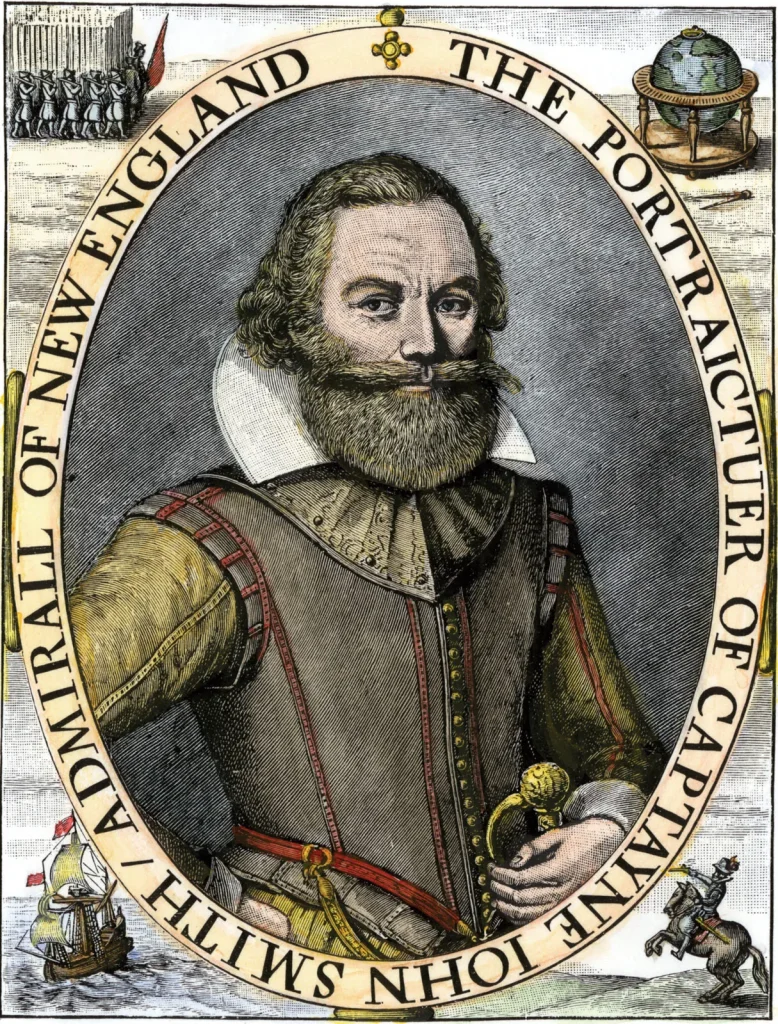
In 1607, England finally succeeded in establishing a permanent colony in North America: Jamestown, located in present-day Virginia.
Jamestown was funded by a joint-stock company, where investors shared the risks and profits.
Life in the colony was very difficult:
- Food shortages
- Disease
- Conflicts with Native Americans
But Jamestown survived, and it became the starting point for English America.
Conclusion: From Exploration to Colonies
Between 1400 and 1607, European exploration changed the world forever.
- Portugal opened sea routes to Africa and Asia
- Spain discovered and explored the Americas
- England entered the race and challenged Spanish power
- English explorers began to settle in North America
By the time Jamestown was founded in 1607, exploration had turned into colonization.
The Age of Exploration had set the stage for the next chapter in history—the growth of the English colonies and, eventually, the creation of the United States.
Quick Timeline Summary
- 1400s — Prince Henry supports exploration
- 1492 — Columbus reaches the Americas
- 1497 — Cabot explores North America for England
- 1498 — da Gama reaches India by sea
- 1588 — England defeats the Spanish Armada
- 1580s — Roanoke colony disappears
- 1607 — Jamestown is founded